






AI's Impact on Editing
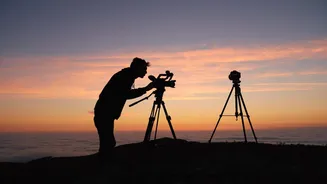
Landscape photography often presents considerable challenges due to fluctuating natural elements like intense light and atmospheric fogginess. Traditionally,
photographers would dedicate extensive hours to manual adjustments in post-production to overcome these hurdles. However, the advent of artificial intelligence in editing software has dramatically simplified these demanding workflows. These advanced tools now empower photographers to concentrate more on the artistic aspects, such as composition and narrative, rather than getting bogged down in technical fixes. This shift not only enhances efficiency but also amplifies the creative potential inherent in landscape image processing.
Advanced Editing Tools
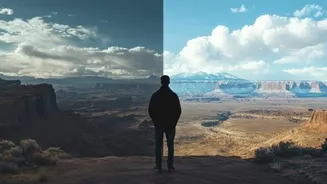
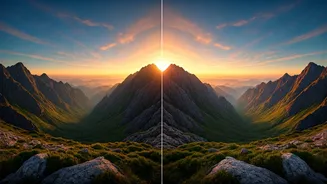
Modern landscape photography introduces specific technical complications that conventional editing programs might struggle to address effectively. Software like ON1 Photo RAW 2026 is specifically engineered to confront these difficulties, offering AI-driven enhancements that meticulously preserve intricate details even when removing unwanted elements. This technology is designed to ensure that your edited images maintain a natural appearance without any signs of overprocessing, particularly beneficial when dealing with scenarios like harsh sunlight or pervasive atmospheric mist. Complementing these features, other AI solutions provide further specialized capabilities. For instance, intelligent sky replacement tools can dramatically alter or enhance the backdrop, while sophisticated relighting functions allow for precise adjustments to brightness in specific areas, ensuring balanced exposure across the entire frame.
Streamlined Creative Workflows
The integration of AI tools into the landscape photography process signifies a profound shift towards intelligent automation of technical corrections, fundamentally revolutionizing existing workflows. This allows photographers to efficiently process entire batches of images, maintaining color consistency across varying light conditions without manual intervention. This time-saving advantage liberates photographers to dedicate more energy to conceptualizing and capturing compelling compositions, rather than spending countless hours on meticulous post-production adjustments. This efficiency boost directly translates into more creative output and a less burdensome editing experience.
Intelligent Photographic Assistance
The incorporation of artificial intelligence into landscape photography represents a significant evolution towards intelligent assistance, serving to augment rather than replace the photographer's seasoned expertise and artistic judgment. By autonomously managing and rectifying technical complexities, these AI tools empower photographers to steadfastly uphold their unique artistic vision while simultaneously achieving results that meet professional standards, even when handling a large volume of work. This symbiotic relationship between photographer and technology enables a greater emphasis on creativity and narrative construction, ensuring that the photographer's distinctive style remains paramount as they efficiently manage hundreds of images.