






AI's Double-Edged Sword
An innovative artificial intelligence system, referred to as Mythos, has demonstrated a remarkable ability to detect weaknesses within software, a capability
that surpasses even highly skilled human analysts. This advanced AI is also designed to empower individuals with less technical expertise to identify complex vulnerabilities. However, this potent discovery tool simultaneously raises significant concerns regarding its potential to facilitate cyberattacks, particularly against sensitive sectors like banking institutions. Cybersecurity professionals and financial organizations are expressing profound apprehension about the implications of such powerful technology falling into the wrong hands. The discussions surrounding Mythos, which operates on a platform known as Claude Mythos Preview, are therefore focused on the critical challenge of harmonizing technological advancement with stringent safety protocols.
Navigating Regulatory Hurdles
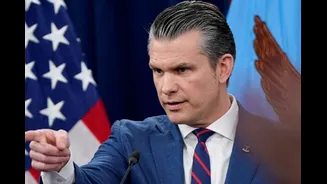
Despite the impressive prowess of Mythos in identifying software vulnerabilities, the company behind it, Anthropic, finds itself in a complex situation with governmental bodies. The Pentagon has imposed a ban on Anthropic, stemming from a disagreement concerning the application of its AI in military contexts. Simultaneously, Anthropic is engaged in discussions with the Trump administration regarding Mythos. The company's co-founder, Jack Clark, has characterized these talks as pertaining to a "narrow contracting dispute," emphasizing Anthropic's commitment to national security. The company's classification as a "Supply Chain Risk" adds another layer of complexity to these ongoing interactions, highlighting the sensitive nature of advanced AI development and its potential impact on security infrastructures.