





Cosmic Computing Debut
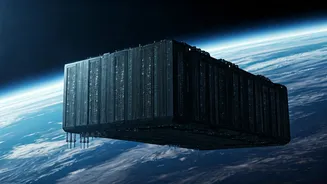
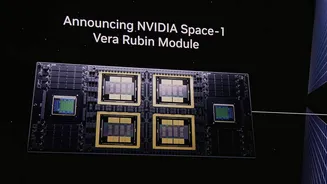
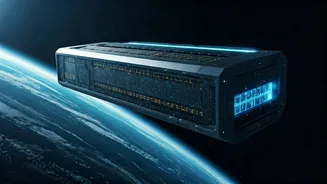
A significant leap in space-based technology is underway as leading AI chip innovator partners with a space exploration firm to introduce a new computing
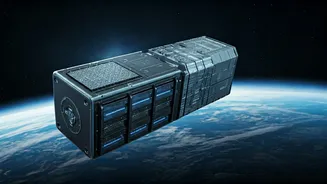
module. This module is engineered to be a foundational element for future data processing hubs situated beyond Earth's atmosphere. The initial deployment is slated for a satellite launch in November, which is expected to revolutionize space operations by providing unprecedented computational power, estimated to be 100 times greater than any prior space mission. This ambitious venture aims to prove that sophisticated AI models, such as large language models, can operate effectively in the vacuum of space, fueled by advanced graphics processing units. The collaboration signifies a pivotal moment, merging cutting-edge AI with the challenges and opportunities of outer space exploration.
AI-Optimized Space Module
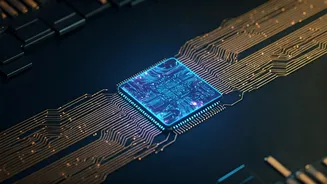
The newly unveiled computing module is meticulously crafted to excel in artificial intelligence tasks, enabling enhanced real-time analysis and autonomous functions. This specialized hardware is designed to process information and make decisions instantaneously while operating in the harsh environment of space. Its development addresses the growing need for intelligent systems that can operate independently, far from direct human control. The vision is to create a robust platform for future space missions that require sophisticated AI capabilities, from robotic exploration to advanced Earth observation. This innovation represents a critical step in unlocking the potential of AI for scientific discovery and technological advancement in the cosmos.
Space Data Center Advantages
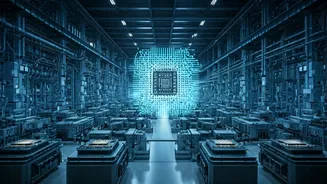
The allure of establishing data centers in outer space stems from several compelling advantages, primarily related to power generation. By positioning satellites in orbits that align with the Sun's path, consistent and abundant solar energy can be harnessed. This continuous power supply could bypass the logistical and regulatory hurdles associated with terrestrial data centers, such as land acquisition and local approvals. Furthermore, space offers an environment free from the physical constraints of Earth. However, significant technical obstacles must be overcome, including shielding sensitive electronics from intense radiation, managing extreme temperature fluctuations, and mitigating the risks posed by space debris. Addressing these challenges is crucial for the viability of space-based data infrastructure.