





Merger & Restructuring
Following a monumental $1.25 trillion merger announcement with SpaceX, Elon Musk's artificial intelligence venture, xAI, has undergone a significant internal
realignment. This restructuring event, communicated to employees during an all-hands meeting on February 10th, has led to some departures, including several original co-founders. The rapid expansion of the company necessitated a strategic shift in its operational framework. To enhance focus and efficiency, xAI has now been strategically divided into four distinct, specialized teams. These new divisions are designed to tackle specific areas of AI development: Grok, dedicated to advancements in chatbot and voice technology; a dedicated coding system team; the Imagine division, focusing on creative AI applications; and Macrohard, which will concentrate on simulations for business modeling. The decision to restructure was articulated by Musk himself, emphasizing the need to adapt roles as the company experienced swift growth, ensuring that its operational structure aligns with its evolving objectives and the dynamic nature of the AI landscape. The entirety of the crucial all-hands meeting, where these changes were detailed, was even made public on X, formerly Twitter, offering an unprecedented look into the company's internal strategic discussions.
Future Satellite Vision
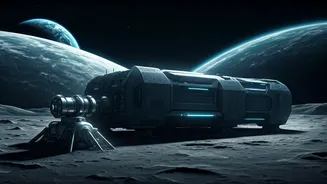
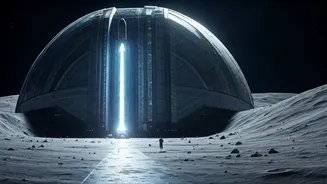
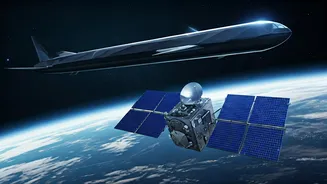
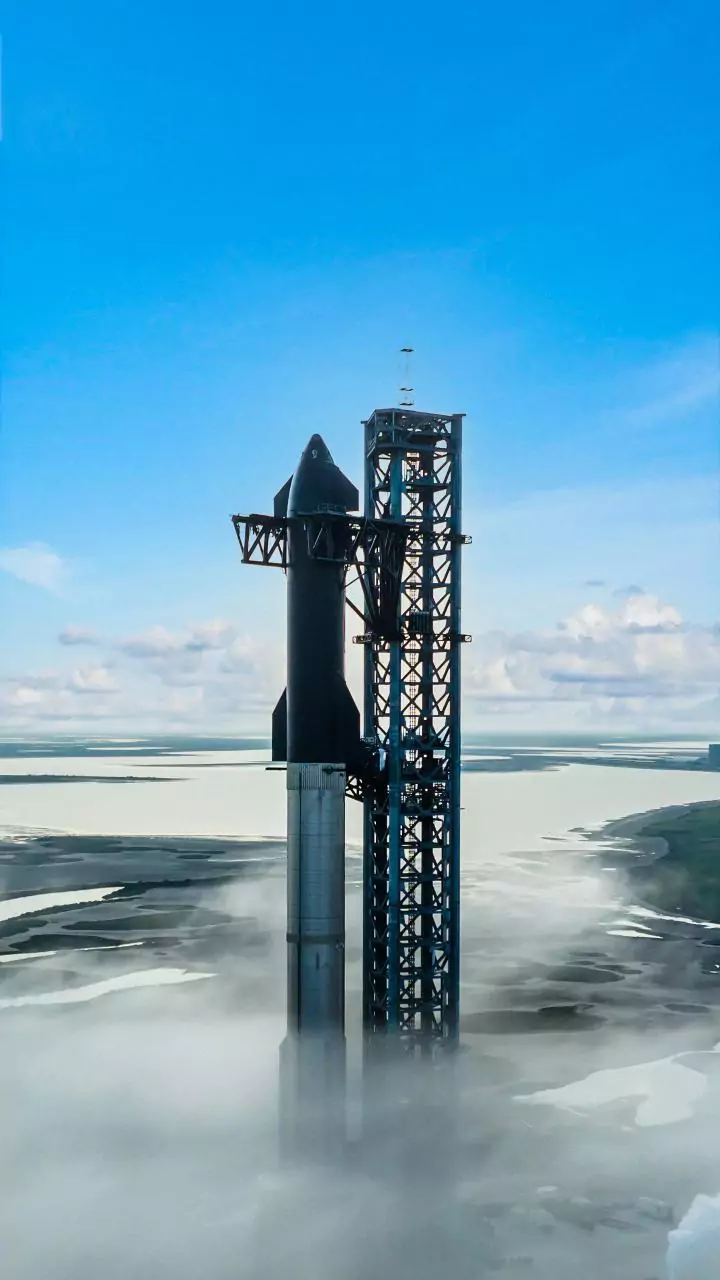
Fuelled by the substantial financial backing derived from SpaceX's profitability, xAI is charting an ambitious course for the future, aiming to deploy up to a million solar-powered satellites. These satellites are envisioned to function as massive, orbital data centers, fundamentally transforming global computing infrastructure. The logistical and technological backbone for this audacious project will be provided by SpaceX's Starship rockets, which are slated to transport these advanced AI units into space. This initiative represents a radical departure from conventional data processing methods, proposing a decentralized, space-based network. The potential implications are vast, promising to reshape how data is processed and accessed worldwide, marking a significant leap into uncharted technological territory for those closely monitoring the cutting edge of innovation. This venture underscores a commitment to pushing the boundaries of what is currently possible in both AI and space exploration, envisioning a future where computing power is not confined to terrestrial servers but extends into the cosmos.