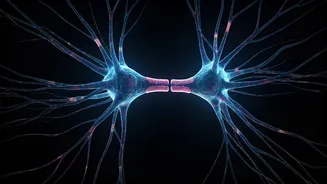








Brain's RAM Explained
Imagine your brain functioning like a computer. The hippocampus, a small, seahorse-shaped area, acts as your brain's Random Access Memory (RAM). Throughout
the day, it diligently collects an immense amount of data – from the color of a stranger's shirt to complex work strategies or trending song lyrics. By evening, this mental RAM is often overloaded, akin to a browser with too many tabs open, leading to a lag in cognitive function and a desperate need for respite. This constant influx of information demands efficient processing, and the hippocampus plays a crucial role in this initial intake before sleep initiates its vital transfer process.
Sleep's Memory Transfer
When you finally succumb to deep, slow-wave sleep, your brain activates a sophisticated backup system. This crucial period involves the physical relocation of the day's most significant information from the susceptible hippocampus to the neocortex, which functions as your brain's permanent hard drive. This transfer isn't merely a passive data dump; it's an active replaying of your experiences. Your brain essentially fast-forwards through the day's events, reinforcing the neural pathways associated with important memories while systematically discarding irrelevant or trivial details, much like deleting old files to free up storage space for new, essential data. This process is fundamental for effective learning and memory retention.
Cognitive Buffering Risks
Skipping this essential memory transfer process due to insufficient sleep leads to a state known as cognitive buffering. This condition significantly impairs your ability to acquire new knowledge or skills. When your brain's temporary storage is constantly full, it's like attempting to install new software on a computer with no available memory – the system simply cannot function optimally. This lack of memory consolidation means that information encountered during wakefulness struggles to find a place for storage, making it difficult to recall or utilize later. Ultimately, adequate sleep is non-negotiable for effective cognitive performance and learning.
The 'Tubelight' Revelation
Have you ever encountered a persistent problem, felt utterly stumped, only to wake up the following morning with a crystal-clear solution? This phenomenon, often termed a 'tubelight moment' in some cultures, refers to that delayed flicker before a sudden flash of insight. It's a testament to your brain's background processes operating during sleep. While you rest, your brain diligently analyzes new information, cross-referencing it with existing knowledge stored in your long-term memory. This subconscious cross-referencing can forge unexpected and creative connections that your stressed or fatigued waking mind would typically overlook, leading to those 'aha!' moments.
Hustle Culture's Flaw
The prevalent 'hustle culture' often promotes the idea that sacrificing sleep for productivity is beneficial, but scientific understanding reveals the opposite. Pushing yourself to stay awake until the early hours to cram for a project is akin to meticulously crafting a document on a computer and then abruptly pulling the power cord before saving. The effort is expended, but the system never gets the opportunity to write the work to its permanent storage. Consequently, the knowledge or task may be incomplete or lost. Prioritizing sleep allows for this crucial 'saving' process, ensuring that your hard work is properly consolidated and retained for future use.