




What's in a Name?
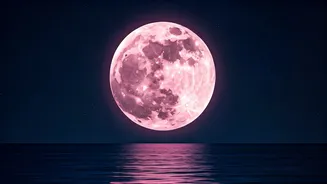
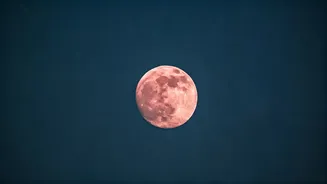
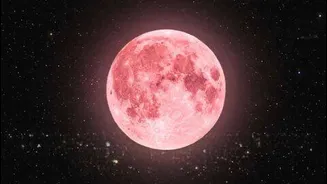
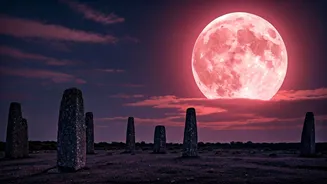
The first full moon of spring, affectionately dubbed the 'Pink Moon,' is a special sight for stargazers. While its name might conjure images of a rosy
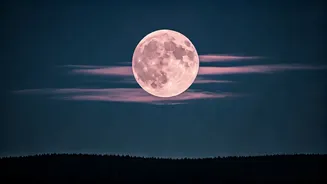
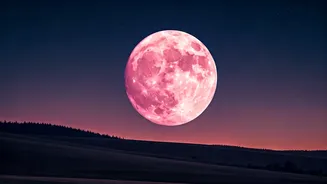
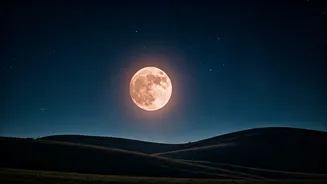
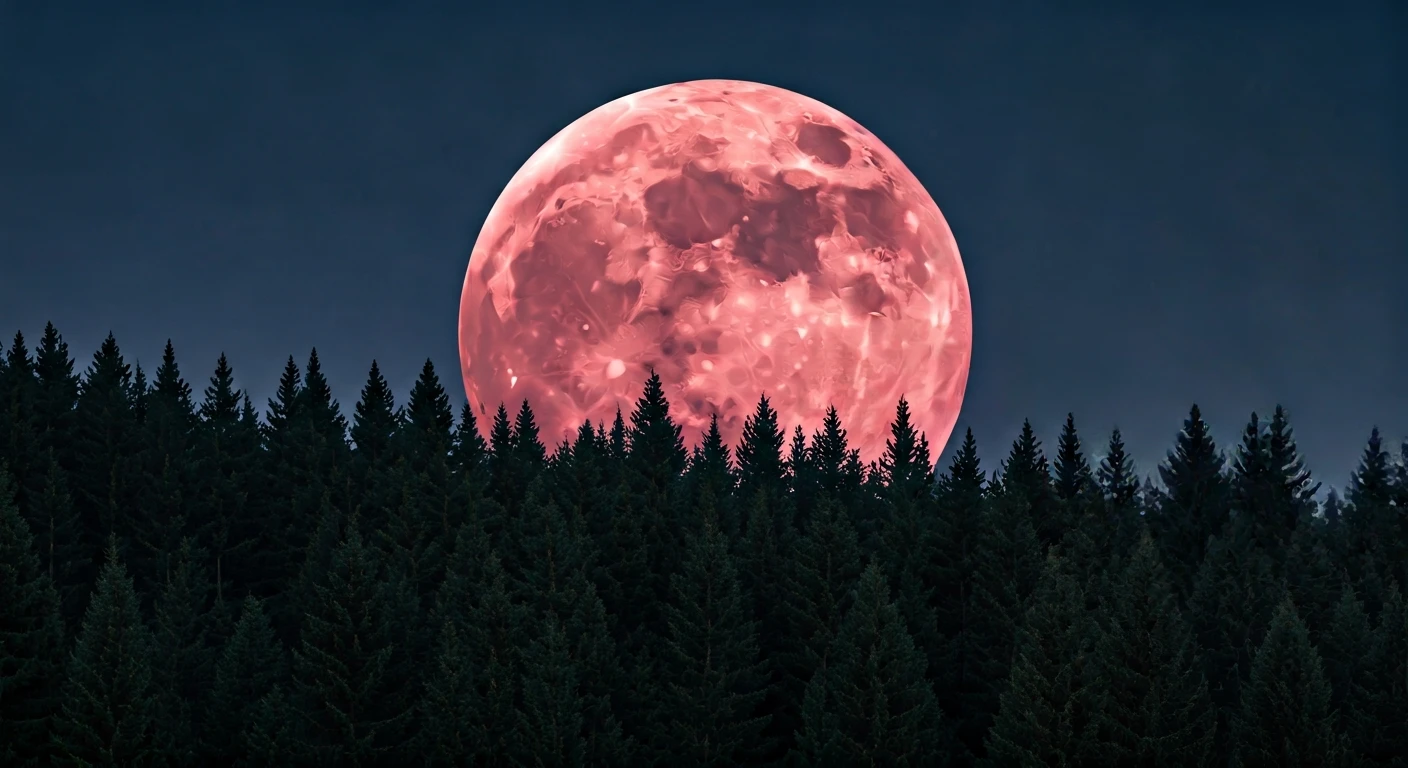
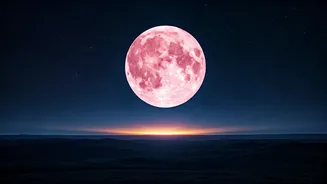
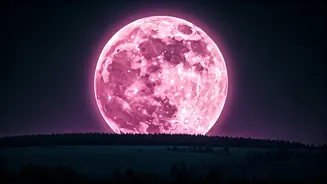
glow, the reality is quite different. This moniker originates from ancient Native American traditions, where different full moons were named after observable seasonal occurrences. The 'Pink Moon' specifically draws its name from the vibrant pink wildflowers, most notably wild ground phlox, that burst into bloom as spring arrives. Therefore, when you look up, don't anticipate a magenta sphere. Instead, you're more likely to witness shades of orange, copper, or a deep golden yellow, particularly as it begins its ascent above the horizon.
The Science of Color
Ever wondered why the moon can appear to change color? It's all down to a fascinating bit of atmospheric physics. When the moon hangs low in the sky, close to the horizon, the sunlight reflecting off its surface embarks on a much longer journey through Earth's atmosphere. This extended path causes the shorter, bluer wavelengths of light to scatter in all directions, much like how sunsets get their fiery colors. What's left to reach our eyes are the longer, warmer wavelengths – reds, oranges, and yellows. This scattering effect is precisely what gives the rising moon its beautiful, warm, coppery tint, transforming it into a spectacle of warm hues.
A Starry Companion
The celestial show doesn't end with the 'Pink Moon' alone. During this spectacular lunar event, keen-eyed observers will also be treated to the sight of Spica, a remarkably bright star system situated within the Virgo constellation. Spica, a binary star, will appear in close proximity to the moon, creating a particularly engaging visual for anyone looking up at the night sky. This combination of a captivating moon and a prominent star makes the entire week-long lunar display a truly delightful experience for astronomy enthusiasts across the globe, offering a chance to witness these cosmic wonders together.