





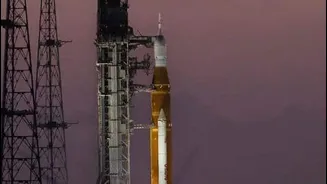
New Artemis 3 Timeline
NASA has recently unveiled updated plans for the Artemis 3 mission, now targeting a launch in the year 2027. A significant alteration in the mission's
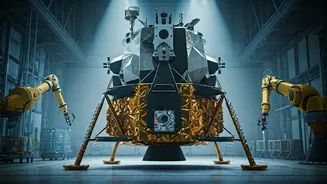
objective means that Artemis 3 will not proceed to the lunar surface as initially envisioned. Instead, the primary focus will be on conducting vital testing of the Orion spacecraft's ability to dock with potential future lunar landers. These landers could include SpaceX's Starship or Blue Origin's Blue Moon vehicle. The decision to shift the mission's focus is a strategic move designed to rigorously validate all operational aspects and technological readiness of the Orion system in the challenging environment of low Earth orbit. This preparatory phase is considered essential for ensuring the success and safety of subsequent Artemis missions, such as Artemis 4, which are intended to involve actual crewed landings on the Moon.
Orbital Systems Testing
The upcoming Artemis 3 mission is being strategically re-aligned to concentrate on a series of complex docking maneuvers. This will involve the Orion spacecraft engaging with one or potentially both of the proposed lunar lander systems, namely SpaceX's Starship and Blue Origin's Blue Moon. These crucial tests will take place in low Earth orbit, allowing NASA engineers and astronauts to meticulously assess the performance of the docking mechanisms, guidance systems, and overall operational compatibility. Successfully executing these orbital rendezvous and docking procedures is paramount for validating the technologies that will be critical for future crewed lunar expeditions. It provides a safe and controlled environment to identify and rectify any potential issues before committing to the more complex and higher-stakes journey to the Moon's surface.
Life Support & Comms
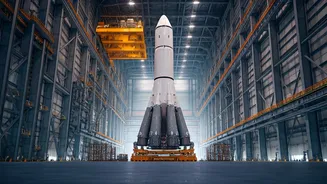
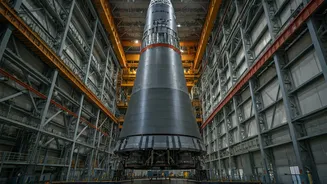
To manage costs and optimize the mission's scientific return, Artemis 3 will utilize a non-functional, simulated spacer component on its launch vehicle, as it will not be traveling to the Moon. This allows for a longer duration in space for the astronauts onboard compared to previous missions. This extended period in orbit provides an invaluable opportunity to conduct comprehensive testing of the spacecraft's life support systems under realistic mission conditions. Furthermore, the mission will explore the deployment of CubeSats, small satellite research platforms, and work on enhancing communication capabilities. Astronauts will also engage with at least one of the test landers, a key step in developing the expertise and confidence needed for more ambitious future endeavors, including extended stays and complex operations on the lunar surface.