




Visualizing Concepts Instantly
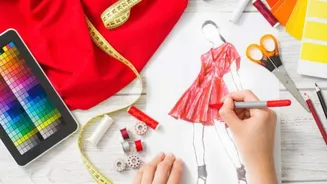
Imagine transforming your written ideas or rough sketches into stunning fashion visuals within minutes. AI platforms now make this a reality, allowing
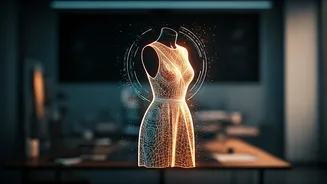
designers to articulate concepts like "a flowing maxi dress in earthy tones with asymmetrical hems" and receive photorealistic renderings. This capability dramatically speeds up the initial stages of concept development, freeing designers from tedious manual illustration. Instead, they can focus their energy on refining designs and exploring a wider array of creative directions. This rapid visualization is invaluable for quickly generating lookbook materials or creating preliminary prototypes, bridging the gap between raw inspiration and tangible design assets with remarkable efficiency.
Sketch to Reality Engine
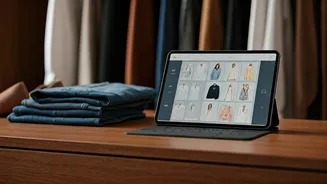
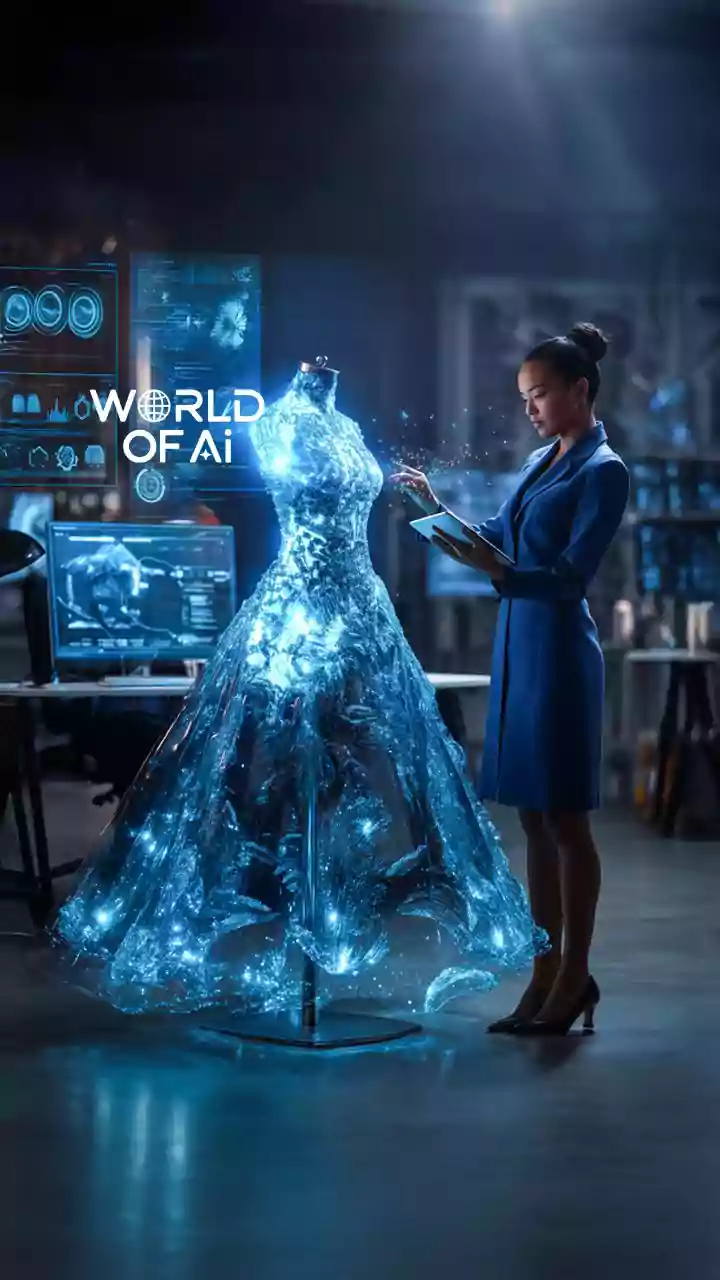
A sophisticated AI design engine can take a simple doodle and turn it into a lifelike garment visual. These tools offer advanced features like fabric simulations and virtual try-on capabilities, presenting the design on a virtual model in various settings. Designers can experiment with different color schemes and patterns effortlessly, receiving immediate feedback on how the garment will look and drape. Moreover, integrated tools for generating unique patterns and prints allow for boundless creative exploration. This technology significantly reduces the time and cost associated with traditional design cycles and sampling, enabling faster iteration and market responsiveness for designers.
Structured Creative Workflows
Certain AI tools promote a more organized approach to creativity, generating designs from text prompts, sketches, or existing images. A key advantage is their ability to link visual designs directly to crucial product data, such as fabric composition and style details. This integration facilitates the creation of dynamic mood boards and allows for rapid iteration of color palettes and design elements. The generated flat sketches and renders can seamlessly feed into product lifecycle management (PLM) systems, making them ideal for teams aiming to build cohesive collections collaboratively. This structured process ensures that visual concepts are grounded in practical product information from the outset.
AI-Powered Patternmaking
Dedicated AI solutions are emerging to handle patternmaking and the entire development process. These tools leverage artificial intelligence to refine garment silhouettes and generate precise patterns, while also simulating fabric behavior. Designers can interact with the system using text or visual cues to modify specific design elements, develop custom prints, and create optimized prototypes. This technology enhances a designer's creative control by providing a more direct and intuitive link between the initial ideation phase and the manufacturing process, overcoming many of the conventional hurdles encountered in garment production.
Forecasting Fashion Trends
An AI tool focused on trend forecasting analyzes vast datasets from social media, fashion runways, and e-commerce activities. By processing this global information, it predicts emerging trends in colors, silhouettes, and print designs. Designers can input their style visions and receive data-driven insights that align their creations with market demands. The output often includes 3D visualizations of these market-aligned designs, enabling designers to craft collections that are not only innovative but also resonate with current and future consumer preferences, ensuring their work stays ahead of the curve.