







A New Lunar Era
NASA is on the cusp of a historic milestone, preparing for the Artemis IV mission, which signifies the first human expedition to the Moon since the iconic
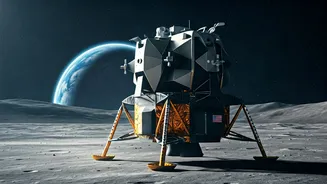
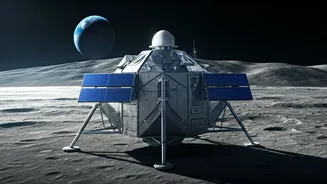
Apollo missions concluded in 1972. This endeavor is not merely a brief visit; it represents a strategic initiative to re-establish a sustained human presence on the lunar surface. The Artemis program is designed to be a stepping stone, building the foundational knowledge and infrastructure necessary for long-term lunar exploration and potentially even habitation. The upcoming mission will see four astronauts embark on a journey to lunar orbit, with two of them undertaking a significant descent to the Moon's south pole, a region of immense scientific interest due to the confirmed presence of water ice.
South Pole Significance
The selection of the Moon's south pole as the landing site for Artemis IV is driven by compelling scientific and logistical advantages. This region is a key focus for lunar exploration because it is believed to harbor substantial deposits of water ice, particularly in permanently shadowed craters near the poles. Water ice is an invaluable resource for future lunar activities, as it can be used for drinking water, for creating breathable air, and even as a propellant for rockets. The presence of this resource significantly enhances the sustainability of human missions, reducing the amount of material that needs to be transported from Earth. Scientists are eager to study these icy reserves up close, analyze their composition, and assess their accessibility for future use, making this landing spot critical for paving the way for more extensive lunar operations.
Extended Surface Stays
A significant departure from the brief excursions of past lunar missions, the Artemis IV astronauts who land on the Moon are slated for an extended stay, approximately one week. This extended duration is a deliberate choice to test and validate the technologies and procedures required for humans to live and work effectively on the lunar surface for prolonged periods. The mission aims to gather crucial data on crew performance, habitat systems, and scientific operations under sustained lunar conditions. NASA's long-term vision involves establishing a rhythm of regular landings, with missions occurring every six months, to incrementally build the infrastructure needed for a permanent human outpost. This includes developing reliable power sources, constructing robust habitats, and enhancing mobility solutions to explore the lunar terrain more efficiently, ultimately setting the stage for humanity's future beyond Earth.