







A New Pre-Launch Path
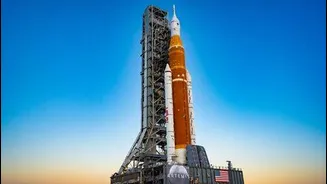
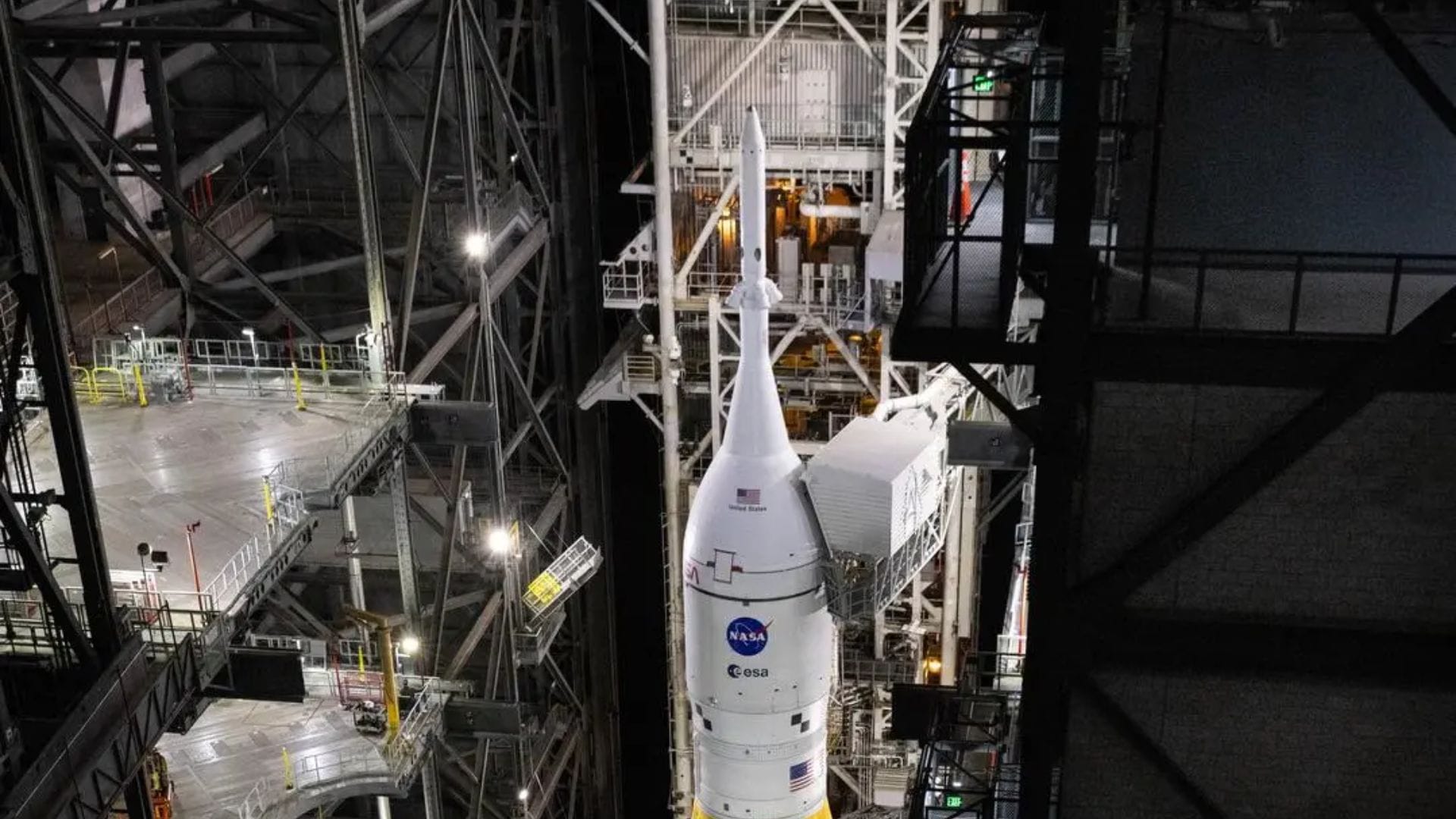
For the highly anticipated Artemis II journey to the Moon, NASA is charting an unconventional course by opting out of the customary 'wet dress rehearsal.'
This crucial pre-launch procedure typically involves fully loading the massive Space Launch System (SLS) rocket with cryogenic propellants, mimicking the conditions of an actual liftoff without igniting the engines. This allows engineers to rigorously inspect every system and procedure. However, following the successful Artemis I mission in 2022 and recent calibrations that rectified minor technical challenges, the space agency feels confident enough to proceed directly towards launch, now scheduled for no earlier than April 1, 2026. This strategic decision marks a significant shift in their launch preparation methodology.
Understanding the Rehearsal
The 'wet dress rehearsal' is essentially a comprehensive dress run for a rocket launch. It involves filling the enormous fuel tanks of the SLS rocket with super-cooled liquid hydrogen and liquid oxygen. This meticulous process is designed to identify any potential leaks, performance anomalies, or discrepancies in the complex network of systems that manage propellant flow and handling. It's a critical step in the safety and success verification cascade, ensuring that ground crews and the rocket itself are fully prepared for the immense forces and extreme temperatures of a real launch countdown. It provides invaluable data and hands-on experience for all involved teams before the actual mission begins.
Rationale Behind the Skip
NASA's decision to forgo the wet dress rehearsal is underpinned by two primary pillars of confidence. Firstly, the invaluable data and operational insights gleaned from the successful Artemis I mission in 2022 provided a strong validation of their existing processes and hardware. Secondly, a more recent, targeted test identified and subsequently resolved specific technical issues before the critical March 12 Flight Readiness Review. Rather than repeating a full-scale fueling exercise, NASA is choosing to streamline operations, focusing their resources and attention on the immediate path to launch while ensuring all identified concerns have been thoroughly addressed. This pragmatic approach prioritizes efficiency and safety.
Benefits of the Approach
Opting to bypass the wet dress rehearsal offers additional strategic advantages beyond streamlining the preparation timeline. Repeatedly filling and then draining the SLS rocket's tanks with extremely cold propellants can introduce cumulative stress and thermal cycling on sensitive components. By reserving the full fueling process exclusively for the actual launch day, NASA aims to minimize this potential wear and tear on the rocket's intricate systems. This preservation strategy ensures that the vehicle's hardware is in optimal condition when it matters most, potentially enhancing its reliability and performance during the critical ascent phase of the Artemis II mission, thus safeguarding the spacecraft for its lunar voyage.