




When to Watch
Mark your calendars for an astronomical treat! The Lyrid meteor shower is currently active and will be visible from April 16th through April 25th. For
the absolute best experience, plan to observe during the shower's peak, which is scheduled for the night of April 21st into the early morning of April 22nd. While the peak night promises the most activity, don't despair if you miss it. You can still catch a significant number of shooting stars on the nights immediately preceding or following this peak, offering a couple of extra opportunities to witness the magic. The meteors themselves are cosmic dust and debris shed by Comet Thatcher over centuries.
Optimal Viewing Tips
To maximize your chances of witnessing the Lyrid meteor shower, timing and location are crucial. The most effective viewing hours are typically in the early morning, just before dawn. This is when the radiant point of the shower is highest in the sky, leading to more visible meteors. Crucially, you'll want to escape the glare of artificial lights. Seek out a location far from urban centers, where light pollution is minimal. Once you've found your dark viewing spot, allow your eyes a good 20 to 30 minutes to fully adapt to the low light conditions. This period is essential for detecting fainter meteors and fully appreciating the spectacle.
The Science Behind
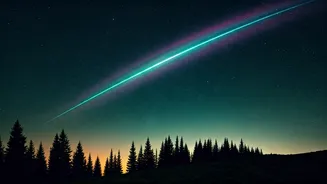
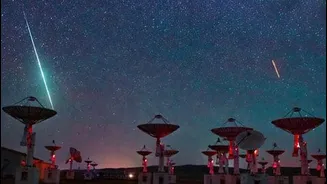
Ever wondered what causes those dazzling streaks of light? These 'shooting stars' are actually meteoroids – small fragments originating from comets or asteroids. When these tiny cosmic travelers encounter Earth's atmosphere at high speeds, they burn up due to the immense friction generated. This fiery descent creates the brilliant, short-lived trails we observe. The Lyrid meteor shower is particularly noteworthy for its fast and bright meteors. While they don't often leave lingering trails, larger pieces of Comet Thatcher colliding with our atmosphere can produce spectacular fireballs, adding an extra layer of awe to the event.
Lyrid Activity Levels
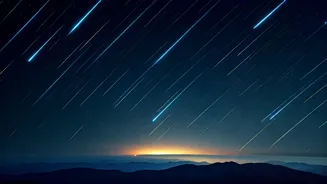
During the peak of the Lyrid meteor shower, astronomers anticipate a display of up to 18 meteors per hour. This rate provides a consistent and engaging visual experience for observers. The meteors themselves are derived from Comet Thatcher, a celestial body that leaves a trail of dust and ice in its orbit. As Earth passes through this debris field each year, these particles enter our atmosphere. The Lyrids are recognized for their speed and brilliance, often appearing as rapid flashes across the night sky. While sustained glowing trails are less common, the potential for bright fireballs, caused by larger fragments, adds an element of surprise and wonder to the shower.