







Marathon Warehouse Shift
A remarkable feat has been accomplished in the realm of artificial intelligence and robotics, with a humanoid robot from Figure AI successfully navigating
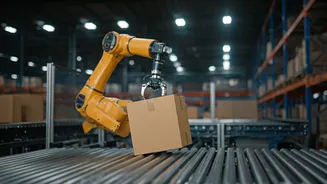
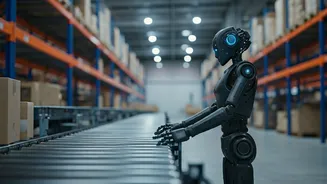
an entire 8-hour operational shift within a warehouse environment. This significant milestone, showcased live, involved the robot diligently performing tasks such as transferring delivery packages onto a conveyor belt. This achievement extends far beyond previous, shorter test durations, marking a substantial leap forward in the pursuit of autonomous robotic capabilities for demanding industrial applications. The robot's extended operational period, uninterrupted by human oversight, demonstrates a new level of reliability and endurance previously unseen in such complex, real-world scenarios, hinting at a future where robots can undertake lengthy work assignments without needing periodic breaks or human assistance. This sustained performance is critical for eventual widespread adoption in logistics and manufacturing.
Nearing Human Pace
During this extended demonstration, the humanoid robot's performance metrics were closely observed, revealing its capability to approach human-level efficiency. According to Figure AI's CEO, Brett Adcock, a typical human worker manages to handle a package approximately every 3 seconds. The robot in this test demonstrated an impressive speed, nearing this benchmark. While there were instances where the robot operated at a slower pace and experienced brief pauses to recalibrate or process, its overall productivity was substantial. This advancement signifies a crucial step towards enabling robots to undertake industrial roles with a high degree of consistency and without requiring the frequent rest periods that human workers need. The ability to maintain near-human operational tempo for extended durations is a key indicator of progress in making robots practical and effective for demanding jobs.
Self-Sufficiency in Action
A particularly impressive aspect of this robotic demonstration was its capacity for autonomous problem-solving and resource management. Should any discrepancies or technical issues arise during its operational cycle, the robot possessed the ability to self-diagnose the problem. Furthermore, it could independently summon assistance from other units within its deployed fleet, eliminating the necessity for human intervention. This integrated self-management system showcases the advanced state of AI integration, moving closer to the vision of robots capable of managing their own operational needs and resolving unforeseen challenges in real-time. This level of autonomy is fundamental for robots to operate effectively in dynamic and unpredictable environments, paving the way for truly independent robotic workforces.