







Efficiency Through Custom Silicon
In a significant stride towards operational self-sufficiency, Meta, the technology giant behind popular platforms like Facebook and Instagram, is actively
developing its proprietary artificial intelligence (AI) chips. The primary objective behind this ambitious undertaking is to dramatically improve the efficiency of its vast data centers, thereby slashing energy expenditure and operational costs. This strategic initiative aligns Meta with other leading tech companies, such as Google and Microsoft, who have also embarked on similar paths of designing custom silicon solutions. By creating specialized chips, these companies aim to better handle the immense computational demands of modern digital services, from curating personalized content feeds to powering sophisticated recommendation algorithms, ensuring a smoother and more responsive user experience across their diverse platforms.
Chip Development Timeline
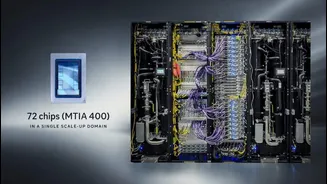
Meta's journey into chip manufacturing is already underway, with its inaugural custom chip, designated as MTIA 300, actively contributing to its internal operations. The company has outlined a clear development roadmap, anticipating the release of subsequent chip iterations at approximately six-month intervals. Further advancements are slated for later this year and extending into 2027, including the highly anticipated MTIA 400 model. This next-generation chip is expected to incorporate advanced liquid cooling technology, a crucial feature designed to manage thermal loads effectively and prevent overheating, thus ensuring sustained performance. Meta is not pursuing this endeavor in isolation, but is forging strategic alliances with key industry players. Collaborations with Broadcom are in place for crucial design assistance, while TSMC has been selected as the manufacturing partner for producing these advanced silicon components. In a demonstration of its commitment to securing necessary hardware, Meta also finalized substantial agreements in February, pledging to acquire billions of dollars worth of chips from established vendors like NVIDIA and AMD.