



Electric Propulsion Milestone
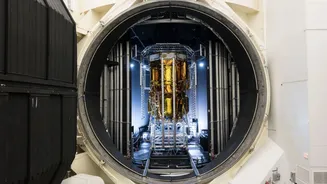
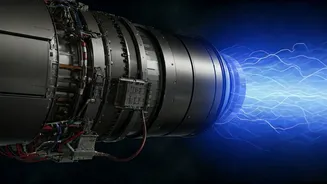
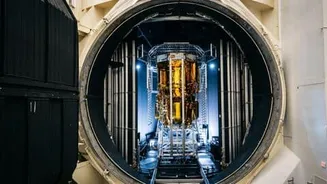
On February 24th, NASA marked a historic achievement at its Jet Propulsion Laboratory by successfully testing a novel lithium-fed Magnetoplasmadynamic
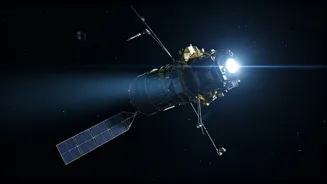
(MPD) thruster. This advanced propulsion system reached an impressive power level of 120 kilowatts during its operation. This performance is remarkable, being 25 times more potent than the engine powering NASA's current Psyche mission. Crucially, this test represents the United States' first instance of an electric propulsion system operating at such exceptionally high power outputs, pushing the boundaries of what's currently possible in space travel technology and paving the way for more ambitious future endeavors.
Fuel Efficiency & Future Power
The MPD thruster operates by harnessing electricity and magnetic fields to expel lithium ions, a method that allows for substantial thrust generation while drastically reducing fuel consumption. NASA estimates this system uses approximately 90% less fuel compared to conventional rocket engines. Looking ahead, the agency aims to escalate the thruster's power output even further, targeting up to 4 megawatts. This enhanced capability is planned to be integrated with a new nuclear reactor system known as Space Reactor-1 Freedom, with a potential launch date as early as 2028. This powerful combination of advanced propulsion and a dedicated power source is seen as a critical development for enabling human expeditions to Mars and ushering in a new era of deep space exploration.