




Radio Wave Disruptions Emerge
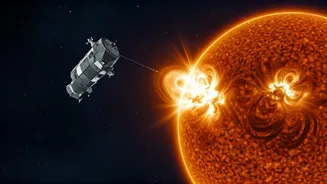
On March 29, 2026, a formidable solar flare originating from sunspot group 4405 unleashed its energy towards Earth, causing noticeable disturbances in radio
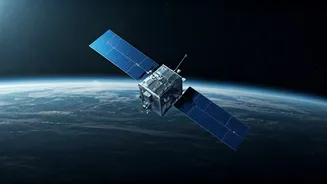
communications. Regions like Southeast Asia and Australia were particularly affected by these signal interruptions, which can hamper everyday connectivity and critical services. This solar outburst was significant enough to warrant attention from space weather agencies, highlighting the dynamic and sometimes unpredictable nature of our sun. The sudden onset of these radio blackouts serves as a stark reminder of our planet's susceptibility to solar activity and the importance of monitoring such events.
Artemis 2 Mission Under Scrutiny
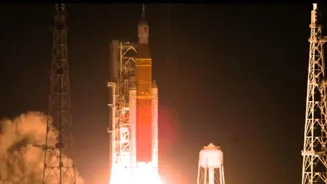
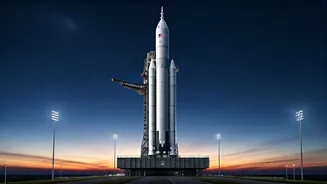
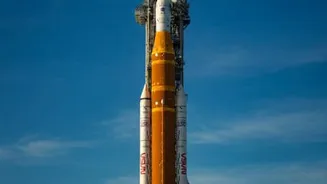
The timing of this intense solar flare is particularly noteworthy as NASA prepares for its ambitious Artemis 2 mission, a 10-day lunar voyage scheduled to commence no earlier than April 1. This upcoming mission, which aims to send astronauts around the moon, could face communication challenges due to the heightened solar activity. Solar physicist Tamitha Skov emphasizes the need for constant vigilance among mission teams, as unexpected space weather events can create significant hurdles during critical phases like liftoff and orbital maneuvers. The potential for solar interference underscores the complexities involved in deep space exploration and the crucial role of understanding and mitigating space weather risks.
Geomagnetic Storm Watch Issued
In addition to the radio disruptions, the solar activity on March 29 also included a Coronal Mass Ejection (CME) from the same sunspot group. NOAA has issued a geomagnetic storm watch for March 31, anticipating the potential arrival of this CME. If the CME interacts with Earth's magnetic field, it could trigger auroras, with the possibility of them being visible in locations as far south as New York. This phenomenon, while beautiful, is a visual indicator of powerful space weather events and the ongoing interaction between the sun and our planet. The geomagnetic storm watch signals a period of heightened awareness for potential impacts on technology and infrastructure.