








A New Era
Japanese researchers are embarking on an exciting journey, initiating human trials for an experimental drug that could fundamentally change how we approach
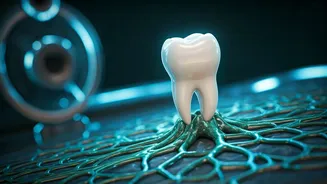
tooth loss. This pioneering treatment bypasses traditional methods like dentures and implants by stimulating the body's own regenerative capabilities. The core concept involves reactivating dormant tooth buds, allowing for the natural growth of new, healthy teeth. Should these trials prove successful, this remarkable advancement could become accessible by the year 2030. It holds the potential to benefit a wide range of individuals, from those experiencing tooth loss due to the natural aging process to those affected by accidents or underlying genetic conditions that result in fewer teeth.
The Science Unveiled
The innovative approach behind this tooth-regrowing drug hinges on a specific protein known as USAG-1. In normal biological processes, USAG-1 plays a crucial role in preventing the formation of extra teeth beyond the standard set. By developing an antibody that effectively neutralizes or 'turns off' USAG-1, scientists have observed astonishing results in animal models. Studies demonstrated that mice treated with this mechanism were able to grow additional molars, a significant regenerative feat. Furthermore, similar success was achieved with dogs, where the drug aided in the regrowth of missing premolars. This breakthrough provides a compelling foundation for the ongoing human trials.
Human Trials Underway
The crucial phase of human clinical trials commenced at Kyoto University Hospital in the latter half of 2024. The initial cohort comprises adult participants aged between 30 and 64 years old. As of April 2026, the early findings from these trials are signaling positive outcomes, indicating that the drug is both safe for human use and demonstrates promising efficacy. The research team is now setting their sights on the next critical stage: extending these trials to include children who were born with congenital tooth agenesis, meaning they lack some or all of their teeth. Successfully treating these young patients could establish a revolutionary paradigm for dental care concerning tooth loss for generations to come.