








AI's Classroom Impact
Artificial intelligence is rapidly emerging as a vital ally for educators, fundamentally reshaping how teaching and learning occur. By automating mundane
administrative duties and offering tailored educational experiences for each student, AI frees up teachers to dedicate more valuable time to direct instruction and meaningful student interaction. This technological integration is not about replacing human educators but augmenting their capabilities, allowing them to focus on the more impactful aspects of their profession. As AI tools mature, platforms are emerging that excel at simplifying complex tasks like curriculum development and pedagogical differentiation, ensuring that technology serves as a supportive element rather than a substitute for the human touch in education.
Tools for Teachers
Several innovative AI platforms are at the forefront of this educational revolution, designed specifically to support teachers. For instance, one prominent platform offers an extensive suite of over 60 specialized tools aimed at educators. These resources can generate comprehensive, standards-aligned lesson plans, create assessment rubrics, and even draft communications for parents, all in a matter of minutes. This efficiency is a game-changer, saving educators countless hours previously spent on preparation. Furthermore, these tools are adept at producing differentiated learning materials suitable for diverse classrooms, including customized worksheets and activity ideas tailored to specific grade levels and curriculum objectives, thereby addressing the needs of all students effectively.
Engaging Lessons with AI
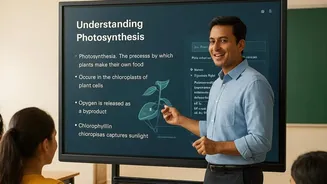
Another fascinating application of AI in education involves transforming static lesson content into dynamic, interactive experiences. One such tool can take a simple topic prompt and instantly generate engaging slide decks. These presentations are enhanced with built-in elements like polls, quizzes, word clouds, and discussion starters, all ready for immediate use in the classroom. By inputting a subject, teachers can have AI create activities that foster real-time student feedback and active participation, making lessons more inclusive and stimulating. This significantly reduces the time spent on creating visually appealing and interactive presentation materials, allowing for more spontaneous and responsive teaching.
Comprehensive AI Platforms
Beyond lesson planning and engagement, AI is also being leveraged to manage the broader educational ecosystem. An all-encompassing platform integrates features such as automated grading, detailed progress tracking for individual students, and personalized learning recommendations. It also includes custom chatbots, equipped with robust monitoring systems to ensure student safety during use. This platform streamlines numerous administrative workflows, including content creation and the provision of support resources, all handled with remarkable efficiency. Consequently, educational institutions can adopt AI solutions with confidence, knowing they can be customized to meet the unique learning requirements of their student body and faculty.
AI for All Stakeholders
The benefits of AI in education extend to all parties involved in the learning process. One platform boasts over 20 distinct AI-powered features designed to assist teachers, students, and even parents. These tools encompass a range of functionalities, including interactive simulations, adaptive quizzes, and AI-driven learning coaches. They are instrumental in fostering self-paced mastery of academic subjects and seamlessly identifying areas where students might be struggling. Integrating these versatile AI platforms into educational settings promises a dramatic enhancement across various subjects and grade levels, facilitating adaptive teaching methodologies supported by cutting-edge AI technology.