






Mission Readiness Begins
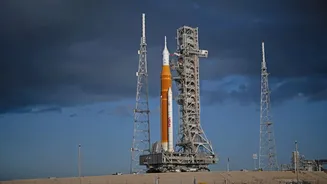
The Artemis II mission, slated for an April 2, 2026 launch, marks a significant step forward in humanity's return to lunar exploration, sending a crew
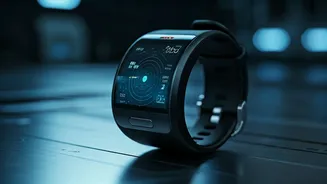
of four astronauts on an exciting journey around the Moon and back. Beyond the thrilling voyage itself, this mission serves as a crucial testing ground for cutting-edge technologies designed to enhance our understanding of astronaut health and performance in the challenging environment of deep space. A key innovation being deployed is a sophisticated wristband monitoring system that the crew will wear throughout their expedition, promising to deliver invaluable real-time data.
The ARCHeR Initiative
These advanced wristbands are an integral component of NASA's ARCHeR study, an acronym for Artemis Research for Crew Health and Readiness. This comprehensive research initiative aims to gather extensive physiological and behavioral information from the astronauts. By tracking parameters such as sleep quality, stress indicators, cognitive function, and even the dynamics of crew collaboration, ARCHeR seeks to illuminate the complex ways in which prolonged isolation and the confined conditions inherent in deep space travel can impact human participants. The real-time data stream is essential for building a detailed picture of crew resilience.
Crew Health Monitoring
During the approximate 10-day duration of the Artemis II mission, the four-person crew, comprising NASA astronauts Reid Wiseman, Victor Glover, Christina Koch, and Canadian Space Agency astronaut Jeremy Hansen, will be equipped with these specialized wrist monitors. These devices will continuously record a range of vital metrics, including movement patterns and sleep cycles, feeding crucial information into NASA's Human Research Program. In parallel, the study will also encompass the collection of cognitive and behavioral data, as well as assessments of team cohesion, both prior to and following the mission, creating a holistic view of crew readiness.
Performance Enhancement
Missions venturing into deep space present unique and amplified challenges compared to those conducted in Earth's low orbit, particularly concerning psychological endurance and overall performance. Consequently, research like the ARCHeR study is indispensable for optimizing how astronauts function during extended exploratory journeys. As Suzanne Bell, a NASA psychologist leading this investigation, points out, 'Artemis missions will be the farthest NASA astronauts have ventured into space since the Apollo era.' The insights gleaned will be instrumental in identifying and mitigating key mission-related stressors, understanding team dynamics, and improving communication with mission control.
Future Mission Protocols
The data collected by these wristbands will offer immediate benefits by enabling both the crew and ground control teams to monitor the health and behavioral status of the astronauts in real-time, thereby enhancing crew safety. This continuous stream of information will empower scientists to meticulously analyze the correlation between sleep and activity patterns and an astronaut's overall well-being and effectiveness. The findings from Artemis II and subsequent missions will be vital for understanding the cumulative impact of space hazards on both the physical and mental states of the crew, ultimately guiding the development of refined protocols, supportive interventions, and advanced technologies for future endeavors to the Moon and Mars.