

Art's Anti-Aging Power
A compelling study conducted by University College London (UCL) has illuminated a profound connection between artistic engagement and the slowing of biological
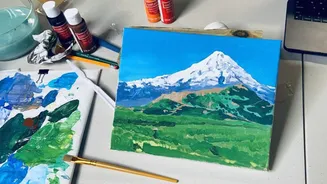
aging. By analyzing data from over 3,500 adults, researchers found that individuals who actively participated in artistic endeavors at least once a week experienced a remarkable 4% deceleration in their biological aging. This suggests that incorporating creative activities into our routines can have a tangible impact on how our bodies age at a cellular level. The research, published in the esteemed journal Innovation in Aging, provides robust evidence that the arts are more than just leisure; they are a potent tool for health and longevity, offering a significant advantage in maintaining a younger biological profile.
Beyond Weekly Engagement
The benefits of arts and cultural activities extend even to those who engage less frequently. The UCL study revealed that participating in these pursuits monthly still yielded positive results, slowing biological aging by 3%. Furthermore, when assessed using a different metric, weekly arts engagement users were found to be biologically one year younger than those who seldom participated. This effect is notably more pronounced than that observed from regular physical exercise, which showed individuals to be biologically half a year younger. The study’s comparison of arts engagement to the difference between smokers and ex-smokers underscores the significant impact of creative activities on mitigating the aging process, positioning arts as a vital component of a healthy lifestyle akin to quitting smoking.
Arts as Health Promotion
Lead researcher Professor Daisy Fancourt emphasizes that these findings provide strong support for recognizing arts and cultural engagement as a health-promoting behavior, on par with exercise. This perspective is further bolstered by Dr. Feifei Bu, a senior author of the study, who points out that this research builds upon existing evidence linking arts activities to reduced stress and a lower risk of cardiovascular disease. The implications are far-reaching, suggesting that healthcare professionals and public health initiatives could increasingly incorporate arts-based interventions. By acknowledging the healing and preventative qualities of the arts, we can unlock new avenues for promoting well-being and enhancing the quality of life for individuals across diverse demographics, moving beyond traditional medical approaches.
Targeting Older Adults
The study's findings indicate that the most significant advantages in slowing biological aging through arts engagement are realized by middle-aged and older adults, specifically those aged 40 and above. This highlights the critical importance of accessible cultural opportunities for these age groups. Hollie Smith-Charles from Arts Council England rightly stresses the need for affordable access to culture, ensuring that these profound health benefits are available to everyone, regardless of socioeconomic status. Echoing this sentiment, the World Health Organization has previously championed initiatives that leverage the arts for health improvement, such as employing music therapy for patients undergoing surgery or for individuals living with dementia, underscoring a global recognition of the arts' therapeutic power.
Historical Healing Power
The transformative and healing capabilities of the arts in fostering optimism and well-being are not a new concept. Mark Ball, artistic director at London's Southbank Centre, eloquently reflects this by recalling its establishment in 1941 as a 'tonic for the nation' during wartime. This historical context serves as a powerful testament to the enduring belief that the arts possess a unique ability to mend, uplift, and inspire, particularly during challenging times. The establishment of the Southbank Centre itself was an acknowledgment of art's role in revitalizing a war-torn country, providing a much-needed source of hope and resilience. This perspective powerfully reinforces the modern scientific findings about how engaging with art can contribute to a more positive outlook and potentially slow down the aging process.