






Lunar Leap Revival
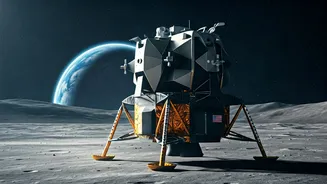
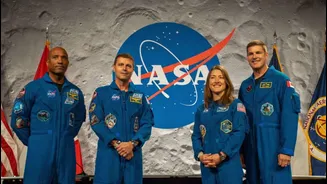
NASA's ambitious Artemis 2 mission is poised to reignite humanity's connection with the Moon, with a crewed flight slated for April 1, 2026. This endeavor
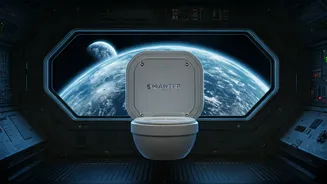
will send four intrepid astronauts on a remarkable 10-day expedition around Earth's celestial neighbor, re-establishing human presence in lunar orbit for the first time since the iconic Apollo missions concluded. The Orion spacecraft, designed to ferry these pioneers, represents a significant technological leap, offering a vastly improved living and working environment compared to its predecessors. A key highlight of these advancements is the integration of a state-of-the-art waste management system, colloquially known as a space toilet, engineered to provide a level of privacy and convenience previously unimaginable for lunar travelers.
Comfort in Orbit
The Orion spacecraft's innovative toilet system draws inspiration from the highly functional facilities aboard the International Space Station (ISS). It boasts a user-friendly design featuring a comfortable seat, a flexible hose for urine collection, and specialized funnels to ensure hygiene during use. During the anticipated 10-day mission, liquid waste will be expelled directly into space, a common practice in space exploration, while solid waste will be safely contained for return to Earth. In a nod to historical systems, contingency equipment, including urine collection bags reminiscent of Apollo-era technology, will be available for use should any unexpected issues arise. Astronaut Jeremy Hansen has emphasized the critical importance of this enhanced hygiene bay, highlighting its role in providing astronauts with much-needed personal space, a significant upgrade that is crucial for both crew well-being on this mission and the success of future deep-space exploration endeavors.