




Comet's Cosmic Dust
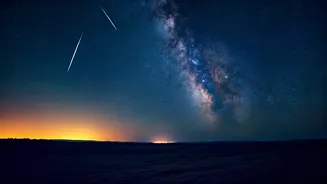
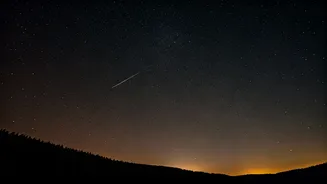
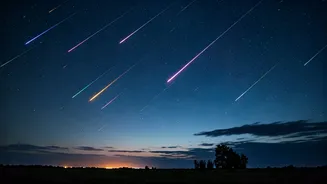
This spectacular celestial event, known as the Eta Aquarid meteor shower, is currently gracing our night skies. Its origin traces back to the legendary
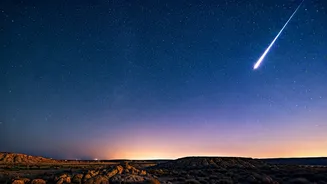
Halley's Comet, a celestial visitor that leaves a trail of cosmic debris in its wake. As Earth journeys through this dusty path, these particles enter our atmosphere at incredible speeds, burning up and creating the mesmerizing streaks of light we call meteors. The shower is set to reach its zenith tonight, extending into the early hours of May 6, offering a prime opportunity for skygazers to witness this phenomenon. For those situated in the Southern Hemisphere, the viewing prospects are particularly promising, with up to 60 meteors per hour anticipated under optimal, clear conditions.
Northern Hemisphere Viewing
While the Eta Aquarid meteor shower promises a fantastic show, those in the Northern Hemisphere might experience a slightly less intense display. The primary reason for this is the orientation of the radiant point – the area in the sky from which the meteors appear to originate. For observers in the north, this radiant, located in the constellation Aquarius, sits lower on the horizon. This means fewer meteors may be visible compared to their counterparts in the south. Nevertheless, it doesn't mean the show is not worth watching; dedicated observers can still catch impressive celestial sights.
Moonlight Challenges
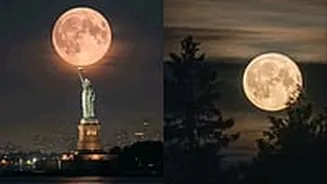
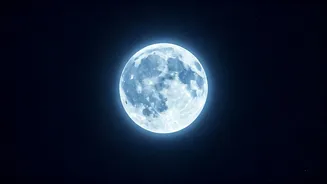
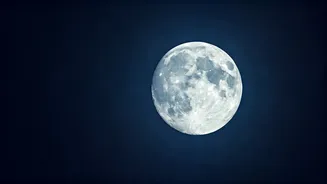
Adding a layer of challenge to this year's viewing is the presence of a nearly full moon. Its brightness can easily overpower fainter meteors, making them difficult to spot against the illuminated sky. However, all hope is not lost! The shower is renowned for producing brilliant 'Earthgrazer' meteors. These are meteors that travel parallel to the horizon, often exhibiting long, colorful trails that are much more conspicuous even in the presence of moonlight. So, while subtle streaks might be obscured, the more dramatic and visually striking meteors are still likely to be seen.
Prime Viewing Tips
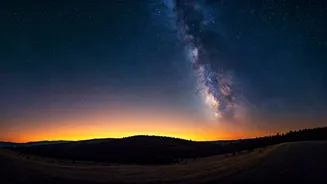
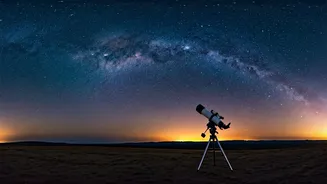
To truly maximize your chances of catching the Eta Aquarid meteor shower, strategic planning is key. The best advice is to find a location far from the light pollution of urban areas, allowing for the darkest possible skies. Aim to observe in the pre-dawn hours, specifically before sunrise, when the constellation Aquarius, the radiant point, is at its highest in the sky. For optimal viewing, allow your eyes at least 20 to 30 minutes to adapt to the darkness. Remember to dress warmly, as early mornings can be chilly, and commit to observing for at least an hour. This extended period increases your probability of witnessing those breathtaking streaks of light painting the night sky.