




Giant Rocket's Practice
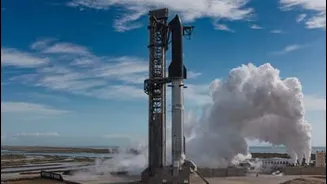
In a significant stride for space exploration, SpaceX recently executed a full-scale wet dress rehearsal (WDR) for its colossal Starship-Super Heavy launch
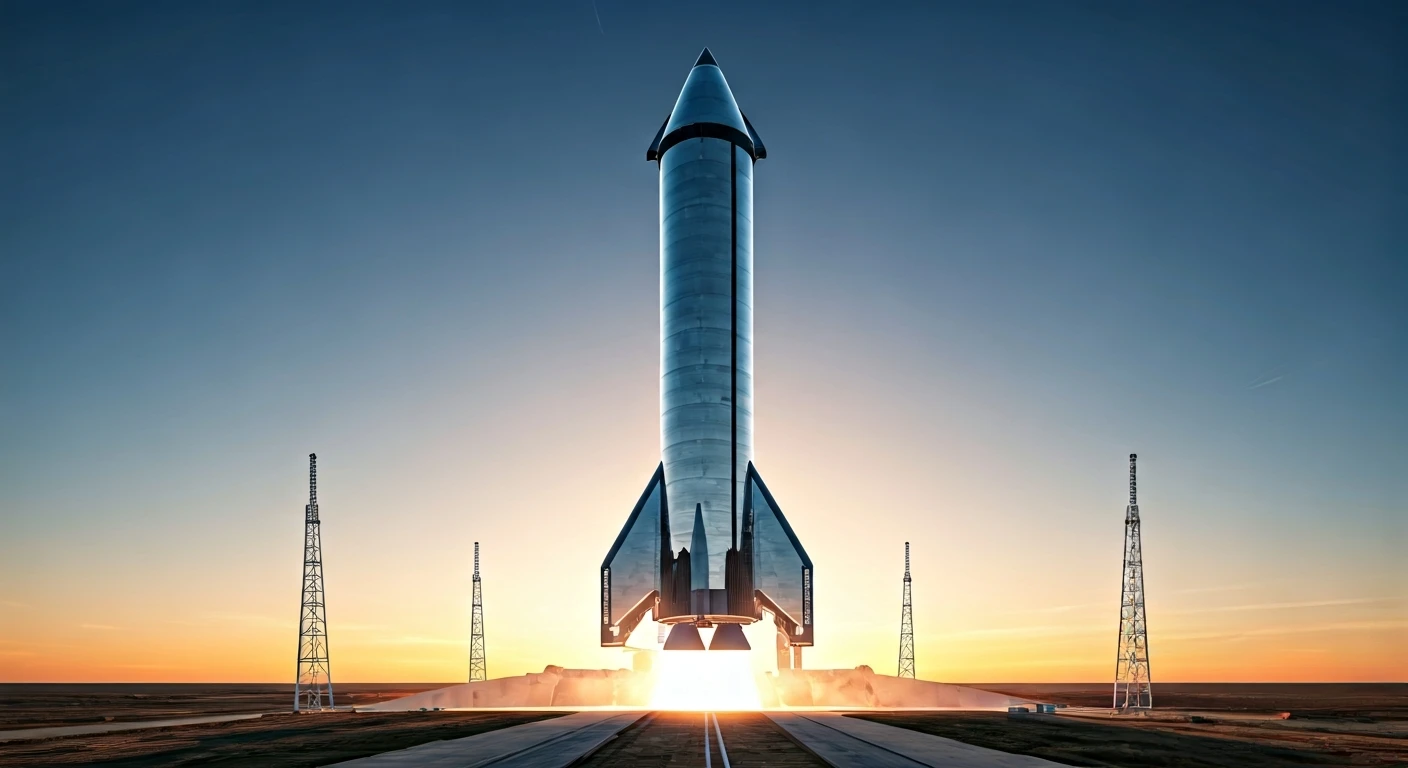
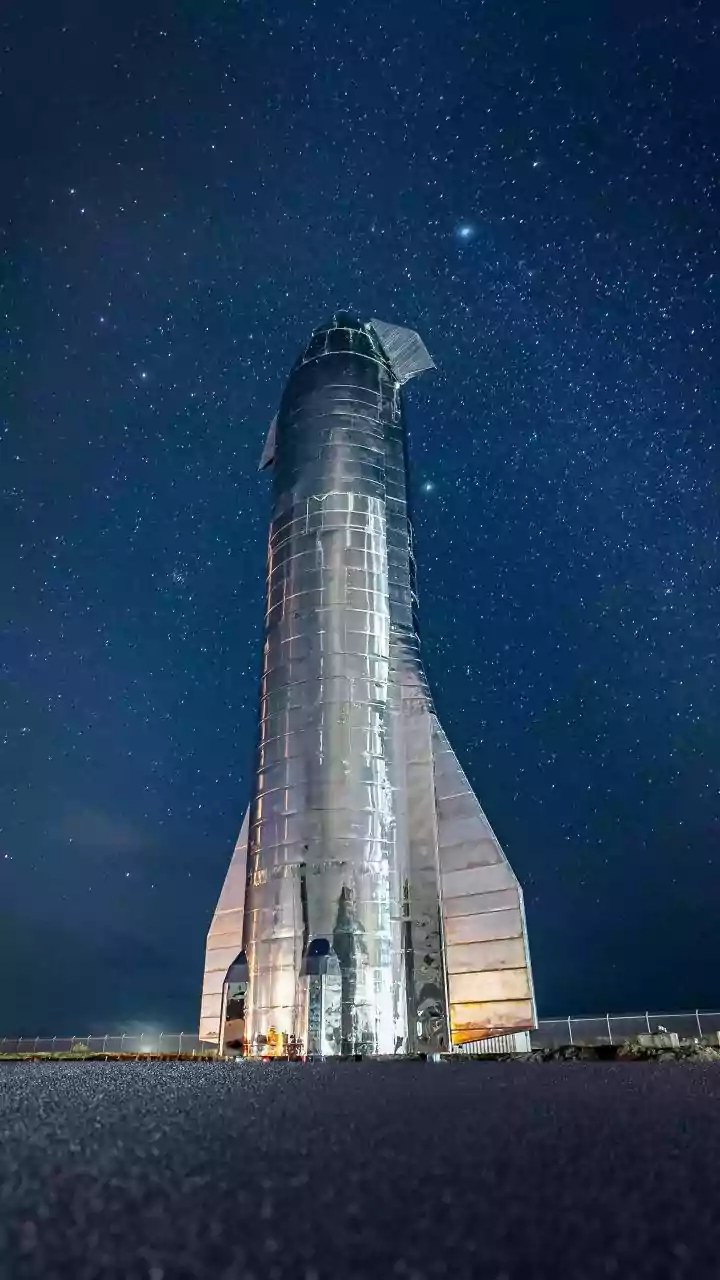
system at their Texas facility. This vital pre-flight procedure involved meticulously loading more than 5,000 metric tons of cryogenic methane and oxygen into the latest iterations of the rocket's components, designated as Ship 39 and Booster 19. This monumental rocket configuration, the largest ever assembled, underwent this extensive fueling simulation not for an actual launch, but as a comprehensive test to validate the readiness of all systems. Think of it as a dress rehearsal for the cosmos, ensuring every intricate part functions flawlessly before the ultimate journey skyward. The successful completion of this WDR marks a pivotal moment in the development of this ambitious spacecraft, bringing future space missions closer to reality.
Preflight System Check
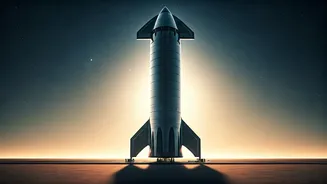
This particular wet dress rehearsal served as a comprehensive preflight evaluation, scrutinizing every aspect of Starship V3's operational readiness. The focus was on the intricate fueling systems, the sophisticated onboard software that governs its flight, and the complex ground support infrastructure required to manage such a massive vehicle. Standing at an awe-inspiring nearly 150 meters tall, this advanced version of Starship is engineered with rapid reusability as a core design principle, aiming to revolutionize space travel. SpaceX dedicated months of intensive preparation, including significant upgrades to the launch pad and numerous cold-fueling tests, all in anticipation of a potential launch as early as May 15, contingent on favorable weather conditions and regulatory approvals. The success of this WDR directly fuels optimism for these upcoming launch windows.
Future Missions Ahead
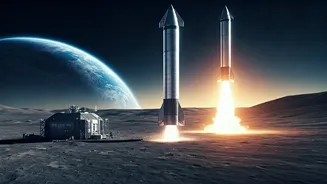
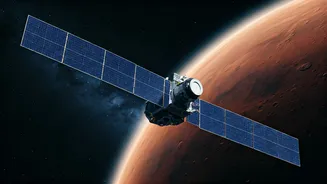
The implications of a fully operational Starship-Super Heavy rocket extend far beyond Earth's orbit, with ambitious goals set for deep space exploration. If all tests and subsequent launches proceed as planned, this powerful launch system is poised to play a crucial role in NASA's Artemis program, facilitating human return to the Moon. Furthermore, its capabilities are being eyed for even more audacious ventures, including the long-term vision of establishing human presence on Mars. The successful execution of this massive fueling test underscores the significant progress being made in developing a reusable and powerful spacecraft that could fundamentally change humanity's reach into the solar system and beyond, marking a critical step in realizing these extraordinary future endeavors.