





A New Celestial Giant
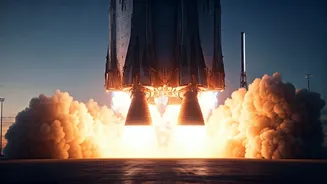
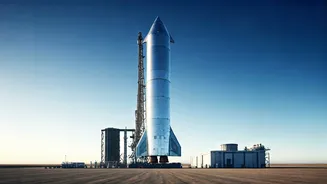
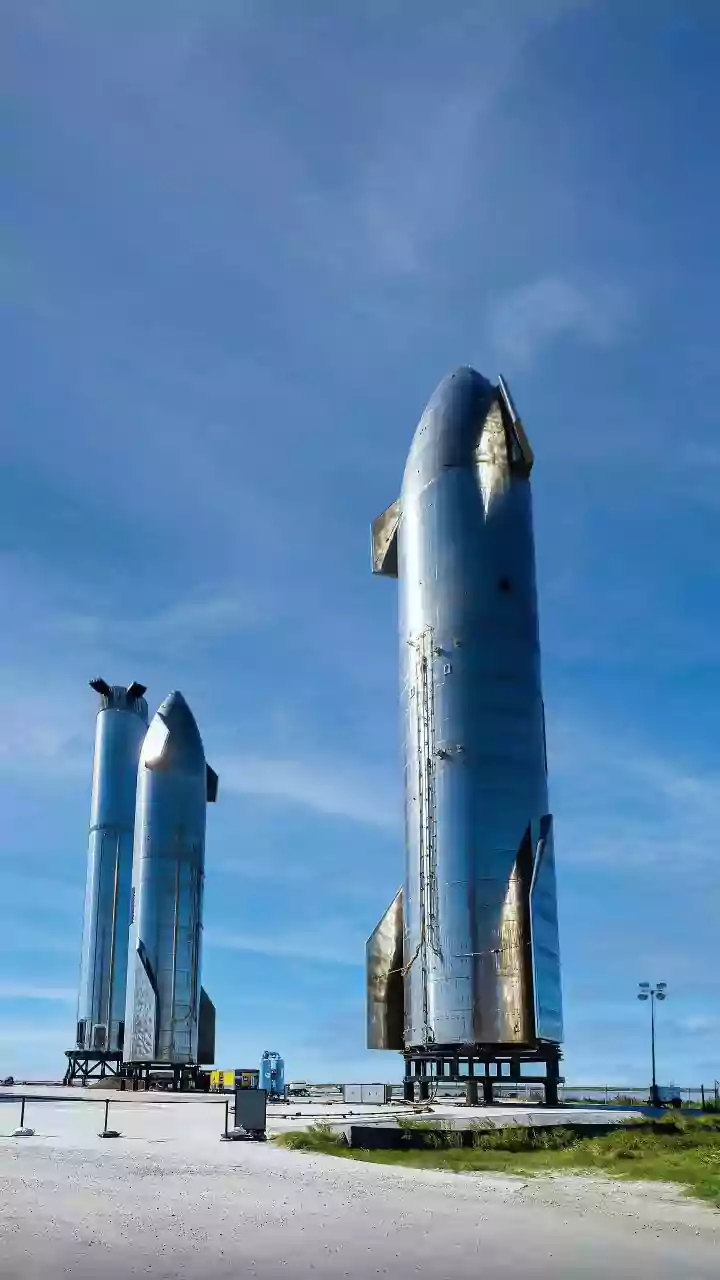
SpaceX has reached a new pinnacle in its ambitious space exploration endeavors by successfully assembling its very first Starship V3 vehicle at its Texas
Starbase facility. This remarkable feat has resulted in the creation of the tallest rocket ever constructed, soaring to an astonishing 124 meters. The company shared captivating visuals of this momentous occasion on May 9, accompanied by a declaration of the "First full stack of Starship V3," igniting considerable excitement and anticipation within the aerospace community. Initial reports suggested that the much-anticipated debut orbital flight for this advanced spacecraft could potentially take place as early as May 12, underscoring the rapid pace of development and testing.
Engine Upgrades & Reusability
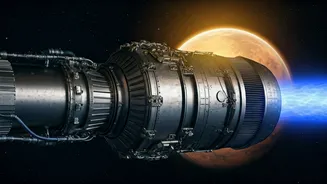
The cutting-edge Starship V3 incorporates significant technological advancements, most notably the integration of upgraded Raptor 3 engines. These new engines offer a substantial performance boost, delivering 22% more power compared to their predecessors, enabling greater thrust and efficiency. Beyond the enhanced propulsion system, this latest version of Starship also features expanded fuel tanks, which will allow for longer missions and greater payload capacity. Furthermore, improvements have been made to the heat shielding, crucial for ensuring the vehicle's integrity during the intense re-entry phase back into Earth's atmosphere. The Super Heavy booster, forming the lower stage of the rocket, is equipped with an impressive array of 33 Raptor engines, while the Starship upper stage itself is powered by six of these advanced engines. This design is fundamentally geared towards reusability, a core tenet of SpaceX's strategy, with the ultimate goal of transporting up to 150 metric tons of cargo to low Earth orbit, a capability essential for realizing the dream of venturing to and exploring other celestial bodies.