






Orbital Deployment Details
A recent SpaceX operation saw the successful ascent of 25 Starlink satellites into their designated low Earth orbit. This significant launch, originating
from California, represented the company's 29th launch undertaking of the current year, utilizing the robust Falcon 9 rocket for its mission. This deployment is a crucial step in expanding the already extensive Starlink satellite constellation, which is nearing a total of 10,000 units. The overarching goal of this expansive network is to democratize access to high-speed internet services on a global scale, bridging digital divides and empowering communities worldwide with reliable connectivity solutions.
Advanced Satellite Technology
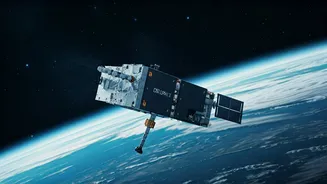
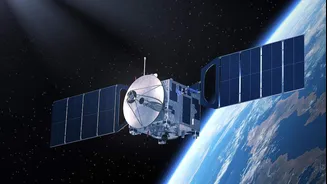
The latest additions to the Starlink constellation are not just more satellites, but significantly more capable ones. These new v2 Mini satellites represent a substantial leap forward in performance, boasting four times the power of their predecessors. Equipped with cutting-edge technology, they feature sophisticated antennas for enhanced signal reception and transmission, alongside high-speed laser links that enable seamless communication between satellites. Furthermore, they are powered by efficient argon thrusters, a design choice that allows them to execute complex maneuvers and maintain orbital positions with greater fuel economy, thereby maximizing operational efficiency and longevity in space.
Direct-to-Device Innovations
Beyond simply increasing internet speeds and expanding geographical coverage, Starlink is actively pursuing groundbreaking direct-to-device connectivity. Through strategic commercial partnerships and dedicated direct-to-cell initiatives, these advancements aim to integrate satellite internet seamlessly with standard cellular services. This future-forward approach is poised to enable users to transition effortlessly between cellular and satellite networks, ensuring continuous connectivity. This capability is particularly transformative for regions currently experiencing limited or inconsistent cellular coverage, promising to bring the benefits of advanced internet access to a much wider population base across numerous locations.