




AI and Theoretical Shift
The rapid advancement of Artificial Intelligence is prompting a significant re-evaluation of the computer science discipline, potentially guiding it back
to its foundational principles in mathematics and physics. As sophisticated AI models become increasingly adept at handling the more mundane aspects of software development, such as writing and debugging code, the industry is observing a subtle yet substantial shift. This evolution suggests that the core focus of computer science may pivot from the practicalities of manual code construction towards a more profound engagement with abstract concepts, rigorous mathematical reasoning, and the intricate architecture of complex systems. This perspective is gaining traction, with prominent figures in the tech world, including Perplexity CEO Aravind Srinivas, echoing sentiments that AI is facilitating this return to theoretical underpinnings, marking a new chapter in the field's evolution. The automation of everyday coding tasks by AI tools is not merely an augmentation of developer capabilities; it signifies a fundamental transformation in the very nature of software engineering itself.
Future Roles Emerge
The increasing proficiency of AI in executing software development tasks has led to predictions about the future landscape of tech roles. Some industry leaders, like Anthropic CEO Dario Amodei, have posited that advanced AI systems could soon undertake the majority, if not all, of current software engineering responsibilities within a relatively short timeframe. This foresight fuels ongoing discussions about AI's transformative influence on the profession. Concurrently, figures such as Replit CEO Amjad Masad suggest that while traditional coding roles might diminish in prevalence, this doesn't necessarily equate to job elimination. Instead, Masad envisions a rise in demand for individuals with broader skill sets, such as versatile product managers, astute problem-solvers, and specialized systems architects. This perspective suggests a metamorphosis of the job market, where adaptability and a focus on higher-level conceptualization become paramount, rather than manual code execution. The emphasis is shifting towards those who can effectively leverage AI and guide its application, rather than those solely focused on writing code.
AI as a Catalyst
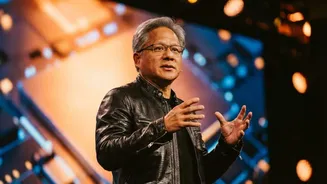
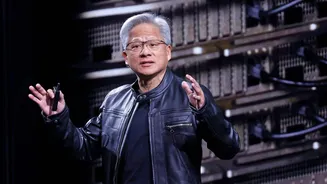
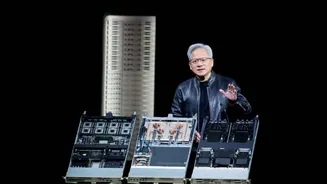
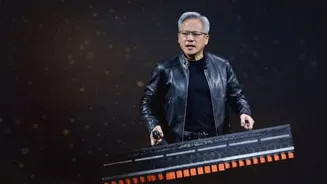
Contrary to fears of widespread job displacement, many industry leaders advocate for AI as a catalyst for job transformation rather than outright elimination. NVIDIA CEO Jensen Huang has consistently championed this view, emphasizing that proficiency in utilizing AI tools will be a key differentiator for professionals. His assertion, "You're not going to lose your job to an AI, but you're going to lose your job to someone who uses AI," underscores the imperative for workers to adapt and embrace AI technologies. This perspective highlights that the future of work in the tech sector lies in harnessing AI's capabilities to enhance productivity and innovation. Companies are already experiencing the benefits of AI-powered tools, enabling them to optimize operations and maintain high output with potentially leaner engineering teams. While this may lead to a reduction in entry-level coding positions, the demand for expertise in AI systems, machine learning, and advanced computing infrastructure is experiencing a significant surge, creating new avenues for skilled professionals.