






AI's Growing Appetite
Artificial intelligence is rapidly transforming various sectors, but this technological leap comes with a significant energy cost. In the coming years,
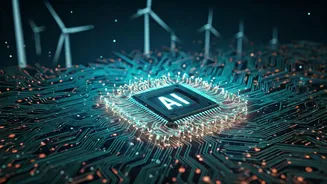
AI is projected to be a major driver of global electricity demand growth. The computational power required for training complex AI models and running vast data centers means that these facilities could soon consume energy on par with entire nations. This exponential increase in power consumption presents a formidable challenge for existing energy infrastructure and necessitates urgent considerations for sustainability and resilience. As the majority of new energy capacity is expected to come online in the immediate future, understanding and managing AI's energy footprint is paramount for both technology enthusiasts and policymakers alike.
Powering India's AI Ambitions
The confluence of artificial intelligence and electric energy was recently highlighted at a significant pre-summit event in New Delhi, organized by Hitachi Energy India and supported by the Ministry of Electronics and Information Technology (MeitY). This gathering, titled "AI and Electric Energy: Complementing for a Sustainable and Resilient Future," served as a prelude to the larger India AI Impact Summit. During the event, N Venu, CEO of Hitachi Energy India & South Asia, shared critical insights from a new report detailing the energy requirements of AI. Discussions also revolved around the concept of 'AI Sovereignty,' emphasizing its deep dependence on robust energy security, and a panel debated the importance of strong energy systems in supporting India's ambitious AI development goals. This focus underscores the strategic imperative for India to align its energy sector development with its AI aspirations.
Sustainable Energy Synergy
Addressing AI's substantial energy needs requires a proactive and innovative approach to electricity generation and distribution. The development of sustainable energy solutions is not just an environmental concern but a critical factor for the continued advancement of AI technologies. This involves leveraging renewable energy sources to power data centers and AI operations, thereby mitigating the carbon footprint associated with their energy consumption. Furthermore, the integration of smart grid technologies plays a vital role in managing and optimizing energy flow, ensuring that power is supplied efficiently and reliably where and when it's needed most. Such advancements are essential for creating an energy ecosystem that can support the ever-growing demands of AI while adhering to global sustainability targets and fostering a more resilient energy future.