





New Launch Window
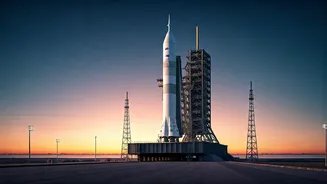
After overcoming some technical challenges earlier this year, NASA's Artemis II mission is now eyeing a prime launch opportunity on April 1, 2026, originating
from the Kennedy Space Center. This date, along with several backup slots immediately following – April 3, 4, 5, and 6 – provides multiple chances for the mission to depart. Should any unforeseen issues arise, a further backup date on April 30 is also designated. These carefully planned windows reflect the rigorous process of ensuring the spacecraft and its systems are in perfect condition for this critical test flight, building upon the experience gained from earlier troubleshooting efforts with the rocket's helium management system.
Meet the Crew
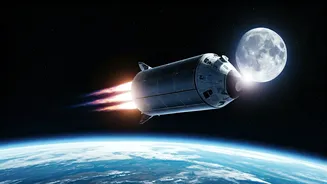
Leading this groundbreaking expedition is Commander Reid Wiseman, accompanied by a highly skilled and diverse crew. Victor Glover will serve as the pilot, bringing his extensive flight experience to the mission. Christina Koch, a distinguished NASA mission specialist, will contribute her expertise to the scientific objectives. Rounding out the crew is Jeremy Hansen, representing the Canadian Space Agency, marking a significant international collaboration in lunar exploration. Together, this four-person team is set to embark on a 10-day journey that will take them around the Moon, including a close flyby of its far side, testing vital systems for future human lunar landings.
Mission Objectives & Delays
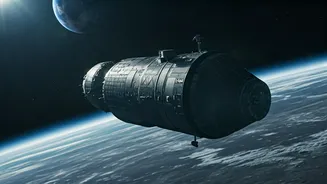
The Artemis II mission is designed as a crucial precursor to future crewed landings on the lunar surface. Its primary goals include rigorously testing the Orion spacecraft's navigation capabilities, its life support systems under deep space conditions, and the technologies required for a safe reentry into Earth's atmosphere. The mission duration is planned for approximately 10 days, allowing ample time for these extensive evaluations. Originally slated for a late 2024 launch, the mission's timeline has been adjusted due to technical issues encountered during critical pre-flight rehearsals, notably hydrogen leaks and valve malfunctions. These adjustments, pushing the launch to early 2026, underscore NASA's unwavering commitment to crew safety and mission success through meticulous problem-solving and thorough testing.