






A Lunar Legacy
The Artemis II mission by NASA is poised to make history. This initiative is a crucial element in the broader goal of returning humans to the Moon and
later, to Mars. As part of this ambitious undertaking, over 3 million names are set to journey to the Moon. The act is symbolic and highlights the collective spirit of exploration and the global interest in space travel. The mission aims to test the systems that will eventually carry astronauts, ensuring their safety and pave the way for future human lunar missions. This is a monumental step forward, bringing together the past, present, and future of space exploration.
The Passenger List
This extraordinary mission will carry the names of over 3 million people. The initiative enabled individuals to submit their names to be included on a microchip that will travel on the Orion spacecraft. This initiative serves as a unifying symbol, connecting people around the globe with the Artemis program. The names represent the diverse backgrounds and aspirations of people worldwide, sharing a common vision of space exploration. It is a powerful statement about our shared humanity and the excitement surrounding human space exploration.
Orion's Journey Begins
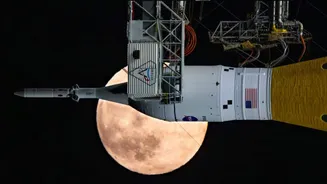
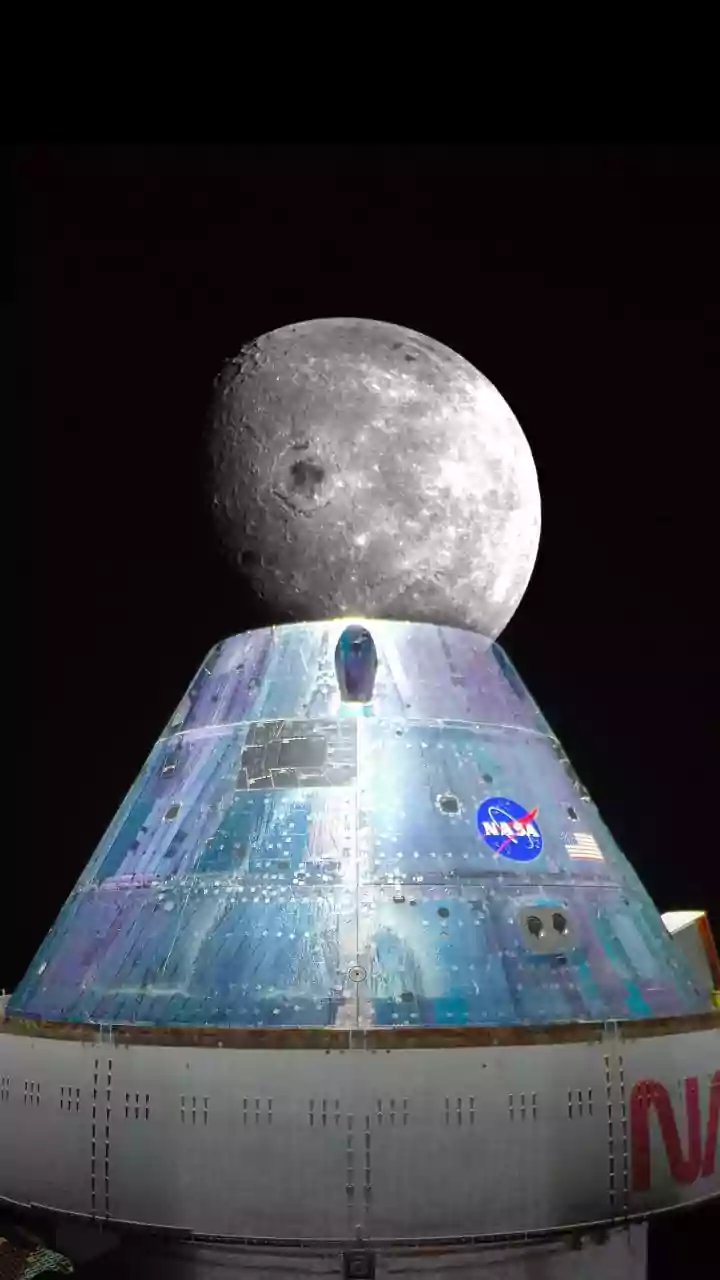
The Artemis II mission will utilize the Orion spacecraft, a crucial component for deep space exploration. This mission will mark the first crewed flight of the spacecraft, signifying an important milestone in NASA's plans. The mission will take the spacecraft and its crew, around the Moon and back to Earth, testing critical systems. This includes life support, navigation, and other essential equipment that is necessary for long-duration space travel. Orion's journey will provide invaluable data and experience, critical for ensuring the safety and effectiveness of subsequent Artemis missions. It is the beginning of a new era of lunar and potentially martian exploration.
Artemis & Beyond
The Artemis II mission is a crucial stepping stone in the Artemis program, laying the groundwork for more complex missions. This program is not just about returning to the Moon but also establishing a sustainable presence and setting the stage for future missions to Mars. Through these missions, NASA intends to deploy innovative technologies and conduct scientific research that will deepen our understanding of the universe. Artemis III, for instance, is planned to land humans on the lunar surface, marking the first human landing since the Apollo era. The long-term vision encompasses continuous exploration and a vibrant space economy, making the Artemis program a cornerstone of humanity's future in space.