






Setting the Stage
Artemis II is not just another space mission; it's a critical step in a broader initiative to establish a long-term human presence on the Moon and use
it as a launching pad for missions to Mars. This mission comes after the successful uncrewed Artemis I flight, which served as a crucial test of the Orion spacecraft and the SLS rocket. Artemis II will include a crew, marking the first time humans will journey to the Moon in over fifty years. The primary goals are to test the spacecraft's systems with humans on board, evaluate life support systems, and ensure the safety of the crew during the lunar flyby. This mission helps validate critical technologies and operational procedures for future crewed lunar landings.
The Orion's Journey
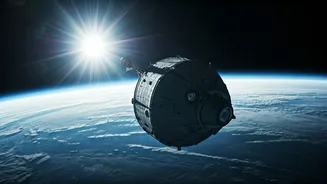
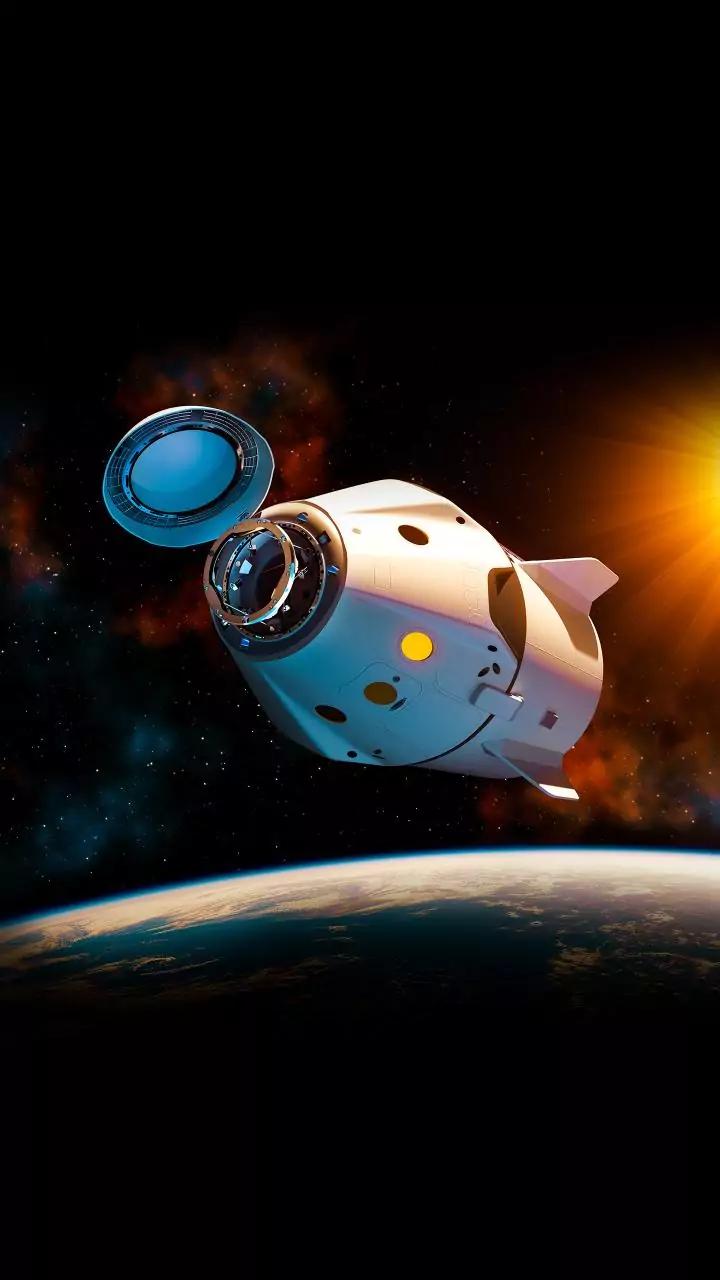
The Orion spacecraft is central to the Artemis missions. It is designed to transport astronauts to and from the Moon and, eventually, to Mars. For Artemis II, the Orion will carry a crew of four astronauts on a ten-day mission. The journey begins with the powerful Space Launch System (SLS) rocket, which propels the Orion into space. Once in orbit, the Orion separates from the rocket and heads towards the Moon. During the lunar flyby, the Orion will circle the Moon, giving the crew a stunning view of our celestial neighbor. The mission will thoroughly test the spacecraft's life support systems, communication capabilities, and the astronauts' ability to navigate and operate in space. The data gathered during this mission will be vital for refining future spacecraft designs and ensuring the safety of astronauts on long-duration missions.
SLS: The Mighty Rocket
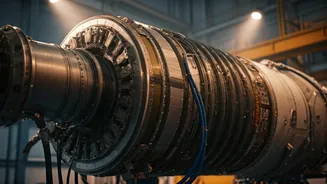
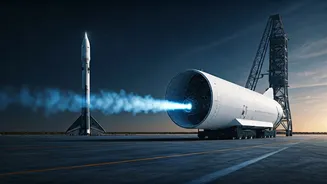
The Space Launch System (SLS) is NASA’s powerful rocket, designed to send humans and cargo to the Moon and beyond. For Artemis II, the SLS will provide the necessary thrust to lift the Orion spacecraft into space. This rocket is a crucial piece of the Artemis program, and it's designed to be the most powerful rocket ever built, surpassing the capabilities of the Saturn V rocket used during the Apollo era. The SLS includes a core stage, solid rocket boosters, and an upper stage. These components work together to deliver the Orion spacecraft to its intended trajectory. The SLS's reliability and performance are essential for the success of the Artemis II mission and for future exploration missions. As the mission progresses, engineers and scientists will meticulously analyze the rocket’s performance to identify any necessary improvements for future launches, guaranteeing the safety and effectiveness of subsequent missions.
Crew: The Pioneers
The Artemis II mission will have a crew of four astronauts, representing a variety of backgrounds and experiences. These pioneers are not just explorers; they are test pilots, scientists, and engineers who will be actively engaged throughout the mission. The crew members will perform various tasks, including monitoring the spacecraft’s systems, conducting experiments, and documenting their experiences. The astronauts will experience the challenges of living and working in space, testing critical life support and safety systems. Their performance and the data collected will be invaluable for future missions, setting the stage for more complex and prolonged space explorations. Training, rigorous testing, and mission simulations are a cornerstone of their preparation.
Mission Objectives
The objectives of Artemis II are multifaceted. The prime objective is to thoroughly test the Orion spacecraft and the life support systems with a crew on board. This involves assessing how the spacecraft functions during various phases of the mission, from launch to lunar flyby and return. Another key objective is to gather data on the effects of space travel on the human body. This includes monitoring the astronauts' health, well-being, and performance during the mission. The data collected will help scientists understand the impacts of radiation, microgravity, and other space-related factors on human health. Furthermore, Artemis II will serve as a crucial test run for future lunar missions, refining operational procedures and demonstrating the feasibility of sending humans to the Moon. Every task and experiment during the mission serves a vital function, helping to prepare for sustained human presence on the Moon and beyond.
Future Lunar Missions
Artemis II is not an isolated event but a critical step toward establishing a sustained human presence on the Moon. NASA plans to build a base camp on the lunar surface, providing a platform for further exploration and scientific research. These future missions will involve lunar surface missions with crewed landings, giving astronauts the opportunity to explore and collect samples. The lessons learned and the infrastructure developed during the Artemis program will pave the way for future crewed missions to Mars. The Artemis program will promote international collaboration, bringing together different space agencies and researchers, facilitating the advancement of space exploration. The data gathered from Artemis II will allow for the development of innovative technologies and strategies for deeper space exploration.