









From Personal Struggle to Innovation
Ali Mustafa, a tech enthusiast based in Mumbai, found himself facing an unexpected health crisis: Bell's palsy, a condition that causes temporary facial
paralysis. This personal experience, which arose after a work-related trip, profoundly impacted his life. Instead of succumbing to the challenge, Mustafa channeled his energy and expertise into developing a technological solution. He envisioned a tool that could not only assist his own recovery but also provide much-needed support to others navigating the complexities of this condition. His motivation stemmed from a desire to transform a difficult personal journey into a source of help for a wider community, demonstrating remarkable resilience and ingenuity in the face of adversity.
Mirror AI: Your Facial Coach
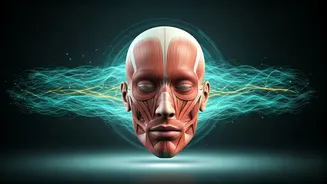
The groundbreaking AI tool Mustafa developed is aptly named 'Mirror.' Its core functionality relies on sophisticated facial landmark detection technology, capable of precisely monitoring over 400 distinct points on an individual's face. This intricate tracking allows the AI to meticulously observe the subtle movements and progress made during specific facial exercises, such as smiling or lifting eyebrows. The system then generates comprehensive progress reports, which are invaluable for physical therapists overseeing a patient's rehabilitation. Crucially, Mirror is designed for accessibility, operating seamlessly on a smartphone, thereby empowering individuals to continue their therapeutic routines effectively from the comfort of their own homes without the need for specialized equipment.
Future of Accessibility and Sharing
Looking ahead, Ali Mustafa harbors ambitious plans for 'Mirror.' He is exploring the possibility of making the AI's source code publicly available on GitHub. This move would enable other developers and researchers to build upon his work, potentially leading to further advancements in facial paralysis rehabilitation tools. Furthermore, Mustafa intends to create a practical, sample deployment of the application. This would serve as a readily usable example, demonstrating the tool's capabilities and encouraging wider adoption and implementation by healthcare professionals and individuals alike, thus democratizing access to this innovative recovery aid.