






Unexpected Arm Training
New research from leading institutions like Penn State and the University of Southern California has unveiled a fascinating method to enhance stroke recovery,
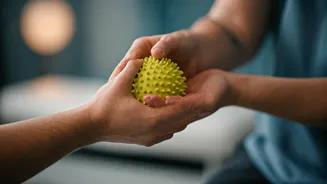
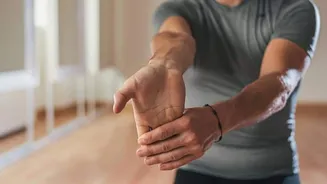
even long after the initial event. The study involved 53 individuals who experienced significant challenges with one of their arms due to a stroke. Surprisingly, the intervention focused on improving the capabilities of their *less-impaired* arm. Participants engaged in targeted training sessions three times weekly for a duration of five weeks. The goal was to boost the speed and refine the dexterity of this 'better' arm through simple, everyday tasks. This approach challenges conventional thinking about rehabilitation, suggesting that focusing on the intact limb can yield tangible benefits for the affected one and overall daily functioning.
Measurable Dexterity Gains
The results of this innovative training program were not merely anecdotal; they demonstrated statistically significant improvements. Following the five-week regimen of focused practice on the less-affected arm, participants showed a notable increase in their speed when performing dexterity tests. Specifically, they became approximately 12% faster in completing a standardized dexterity assessment, translating to nearly a six-second improvement. Crucially, these benefits were not fleeting. The enhanced dexterity and speed persisted for at least six months after the training concluded, indicating a lasting impact on functional ability. As the lead author, Candice Maenza, aptly stated, 'When we train the less-impaired arm, the individuals got better,' highlighting the efficacy of this strategy.
Independence and Reduced Burden
The implications of this research extend far beyond the laboratory, promising a significant positive impact on the lives of stroke survivors and their caregivers. By improving the functionality of the dominant or less-affected arm, individuals can regain a greater degree of independence in performing essential daily activities. This can range from simple tasks like dressing and eating to more complex ones requiring fine motor skills. Such improvements can lead to a reduction in reliance on others for assistance, fostering a sense of empowerment and autonomy. Furthermore, this approach could alleviate some of the daily stress and physical burden often experienced by caregivers, creating a more manageable and supportive environment for everyone involved in the recovery journey.