







Cosmic Origins Unveiled
The Eta Aquarids meteor shower is a remarkable annual event that graces our night sky, with this year's peak occurring on May 5th. This stunning phenomenon
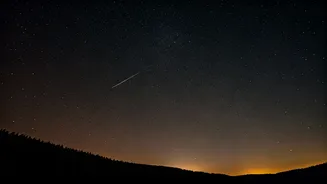
isn't random; it's a direct result of Earth's journey through the cosmic dust and debris left behind by the famous Halley's Comet. As our planet hurtles through space, it encounters this trail of remnants, causing small particles to burn up spectacularly upon entering our atmosphere. This creates the mesmerizing streaks of light we know as meteors. While Earth passes through this debris stream annually, the density of the particles and viewing conditions determine the intensity of the shower each year. The Eta Aquarids are particularly noteworthy because they originate from one of the most well-known comets, connecting us directly to a celestial body that has captivated humanity for centuries. Understanding this origin story adds a deeper appreciation to the visual treat that unfolds above.
Prime Viewing Hours
To truly capture the magic of the Eta Aquarids meteor shower, timing is everything. The optimal window for observation is in the pre-dawn hours, specifically between 2:00 AM and 5:00 AM Eastern Daylight Time (EDT) on both May 5th and May 6th. The absolute zenith of the shower, when you can expect to see the most meteors, is anticipated to occur between 3:00 AM and 4:30 AM EDT. During these crucial hours, the constellation Aquarius, from which the meteors appear to emanate, will be positioned higher in the sky. This elevated position enhances visibility and increases the likelihood of witnessing a greater number of shooting stars. Consulting local sunrise times is also advisable to maximize your viewing duration before daylight washes out the celestial display.
Global Viewing Prospects
The visibility of the Eta Aquarids meteor shower varies significantly across different regions of the globe, offering a truly international spectacle. For those situated in the Southern Hemisphere, particularly in countries like Australia, New Zealand, Chile, Argentina, South Africa, and Brazil, the viewing prospects are exceptionally bright. These locations can anticipate witnessing between 40 to 60 meteors per hour, providing a truly immersive experience. Viewers in India and the United States can still expect a wonderful show, though the rate will be slightly lower, with an estimated 10 to 30 meteors per hour. Regardless of your location, the best strategy for observation involves finding a spot far from the disruptive glare of city lights. Allowing your eyes at least 20-30 minutes to fully adjust to the darkness will significantly enhance your ability to perceive the fainter meteors, ensuring you don't miss any of the fleeting celestial visitors.
Maximizing Your Viewing
Witnessing a meteor shower doesn't require any specialized equipment; a clear view of the night sky and a bit of patience are all you need. The most critical step is to escape light pollution. Seek out dark, open spaces like rural areas, parks, or beaches, where artificial lights are minimal. Once you've found your ideal viewing spot, settle in and allow your eyes to adapt to the darkness. This adjustment period, typically around 20 to 30 minutes, is crucial for your pupils to dilate and become more sensitive to the subtle light of the meteors. While it's tempting to focus on the radiant point in Aquarius, meteors can appear anywhere in the sky, so a wide, unobstructed view is best. Lie back on a blanket or recline in a comfortable chair, tilt your head upwards, and simply enjoy the show as the remnants of Halley's Comet put on a dazzling performance.