







Introducing GPT-5.4-Cyber
A significant development in the artificial intelligence landscape has emerged with OpenAI's introduction of GPT-5.4-Cyber. This novel AI model is meticulously
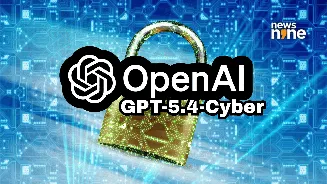
crafted with a singular focus on addressing the complex and ever-evolving challenges within the cybersecurity domain. Unlike its more general-purpose counterparts, GPT-5.4-Cyber is engineered to operate with a reduced 'refusal boundary,' a crucial adjustment that empowers cybersecurity professionals and researchers to utilize its capabilities for the explicit purpose of identifying security weaknesses. Standard AI models might often decline requests related to security analysis due to built-in safety protocols, but GPT-5.4-Cyber is designed to facilitate these essential tasks, thereby accelerating the process of threat detection and mitigation. This strategic release by OpenAI positions the company at the forefront of AI-driven security solutions, aiming to provide a powerful new tool for safeguarding digital infrastructures against emerging threats.
Enhanced Vulnerability Scanning
The core strength of GPT-5.4-Cyber lies in its advanced capacity to scrutinize software for potential security risks, including malware indicators and exploitable vulnerabilities, without the necessity of accessing the software's underlying source code. This capability significantly streamlines the process of security auditing, allowing experts to gain deep insights into the security posture of applications more efficiently. Furthermore, OpenAI has strategically fine-tuned certain protective guardrails within GPT-5.4-Cyber. This deliberate adjustment allows for a more comprehensive assessment of the model's performance in adversarial simulations. By observing how the AI behaves under pressure and in potentially malicious scenarios, developers can better understand its resilience and identify any unforeseen avenues for abuse by malicious actors. This careful calibration is vital for ensuring the AI remains a tool for defense rather than a potential weapon.
Trusted Access Program
Access to the cutting-edge GPT-5.4-Cyber model is currently restricted to a select group of individuals and organizations participating in OpenAI's 'Trusted Access for Cyber' program. This initiative is meticulously designed to engage pre-vetted cybersecurity experts, dedicated researchers, and organizations deeply involved in defensive strategies and threat prevention efforts. Participants are chosen based on their demonstrable expertise and commitment to advancing cybersecurity. Their role is crucial: they are tasked with conducting rigorous, systematic testing of the GPT-5.4-Cyber model. The detailed feedback and insights gathered from these elite users are invaluable and will directly inform future improvements and refinements to the system before it becomes more widely available. This controlled release strategy ensures that the model is thoroughly evaluated in real-world contexts by those best equipped to push its boundaries.
Industry Trend in AI Testing
The deliberate and limited rollout of GPT-5.4-Cyber mirrors a significant and growing trend observed across the broader artificial intelligence industry. Companies are increasingly prioritizing the stress-testing and rigorous evaluation of powerful AI systems in controlled environments before initiating broader deployments. This approach, exemplified by the 'Trusted Access for Cyber' program, is expected to yield crucial insights that will not only strengthen the AI model's inherent capabilities but also enhance its defensive mechanisms against potential misuse. This methodology bears a striking resemblance to established practices within the cybersecurity field itself, where ethical hackers are routinely invited to probe and identify weaknesses in systems. By proactively discovering and rectifying vulnerabilities, the goal is to fortify these systems against exploitation by malicious actors, ensuring a more secure digital future.