





B3's Dual Role
Recent investigations spearheaded by Case Western Reserve University have brought to light a concerning interaction between Vitamin B3 and chemotherapy.
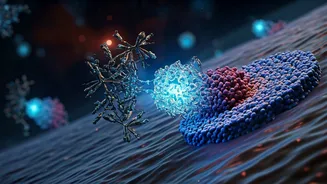
This essential nutrient, which plays a vital role in cellular repair by boosting NAD+ levels, paradoxically aids both healthy and cancerous cells. While the NAD+ molecule is instrumental in DNA repair and stress reduction in our body's normal cells, it unfortunately extends the same protective benefits to malignant cells. This means that when cancer patients ingest Vitamin B3, especially during chemotherapy, they might inadvertently be providing a shield for the very cells doctors are trying to eliminate. This effect is particularly worrying for aggressive forms of cancer that are already difficult to treat, as the supplement’s protective qualities could undermine the hard-fought efforts of chemotherapy to destroy cancer cells.
Doctor's Supplement Check
The implications of these findings are significant, leading researchers to strongly advocate for a more thorough dialogue between medical professionals and cancer patients regarding supplement intake. Dr. Jordan Winter, a lead author of the study, emphasizes that Vitamin B3's beneficial effects are indiscriminate, supporting cancer cells just as effectively as healthy ones. This presents a direct contradiction to the goals of chemotherapy, which aims to damage cancer cell DNA and induce cellular stress. By inadvertently providing this protection, Vitamin B3 could reduce the overall efficacy of treatments. Therefore, it is now more crucial than ever for doctors to proactively inquire about all supplements their patients are consuming. What might be a harmless or even beneficial addition to a healthy individual's diet could pose a substantial risk to someone undergoing cancer therapy, highlighting the need for personalized medical advice.