







AI in the Interview
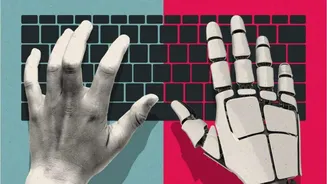
Google has introduced a groundbreaking change to its software engineering recruitment process, granting applicants the ability to utilize AI tools, specifically
Gemini, during their coding assessments. This significant adjustment is primarily being rolled out for individuals applying to junior and mid-level positions. The intention behind this move is to mirror the contemporary landscape of software development, where developers commonly leverage AI for tasks such as debugging code and gaining a deeper understanding of complex programming logic. By integrating AI into the interview, Google aims to evaluate candidates not just on their coding prowess but also on their adaptability to modern development workflows, which increasingly involve AI assistance. This change signifies a departure from traditional, purely manual coding evaluations towards a more realistic simulation of a developer's daily responsibilities.
Beyond Just Coding
The new interview paradigm at Google extends beyond merely assessing the ability to write code. A crucial component of the evaluation will now include how effectively candidates can interact with AI tools. This means judging their skills in crafting precise prompts to guide the AI and their judgment in evaluating the accuracy and relevance of the AI's generated output. Brian Ong from Google highlighted that this contemporary approach aligns with the current practices of actual tech teams, emphasizing collaboration between humans and AI. Furthermore, Google is broadening the scope of its technical assessments by introducing more open-ended challenges and design discussions, moving away from the constraints of exclusively conventional technical rounds. This holistic evaluation strategy is designed to identify candidates who are not only technically proficient but also adept at leveraging advanced tools in a collaborative and critical manner.
Industry-Wide Trend
Google's progressive adoption of AI in its hiring process is not an isolated incident but rather part of a larger, emerging trend within the tech industry. Companies like Canva and Cognition are already implementing similar strategies, recognizing the escalating importance of AI proficiency for aspiring tech professionals. This collective shift underscores a fundamental reevaluation of the skills required to succeed in modern technology roles. As AI continues to integrate into every facet of software development, the ability to effectively prompt, manage, and interpret AI outputs is becoming as critical as traditional coding skills. This evolution in hiring practices signals a future where AI literacy and practical application are paramount for securing employment in leading technology companies, reflecting the dynamic and ever-changing nature of the digital workplace.