






The Chip Dilemma
Artificial intelligence development, especially for advanced models like those powering chatbots and sophisticated software, is heavily reliant on specialized
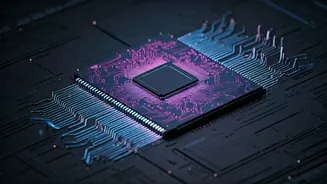
processing units, often referred to as AI chips. Companies in this rapidly evolving field have recently been grappling with a significant scarcity of these critical components. This shortage is a primary driver behind the exploratory discussions at Anthropic, a prominent AI research organization. The lab is reportedly considering a substantial undertaking: developing its very own AI chips. While these plans are still in their nascent stages and far from being finalized, the very contemplation of such a move highlights the immense pressure and strategic re-evaluation happening within the AI sector as demand surges and supply chains remain strained for these vital pieces of hardware.
Current Hardware Landscape
Currently, Anthropic, like many other AI pioneers, relies on a diverse range of third-party hardware to fuel its innovative work. The company utilizes powerful processing units from major tech providers, including Google's specialized Tensor Processing Units (TPUs) and Amazon's own chip offerings. These components are instrumental in the development and operation of Anthropic's AI software and its well-known chatbot, Claude. Demonstrating a commitment to securing its computational future, Anthropic recently entered into a long-term agreement with both Google and Broadcom to ensure a steady supply of TPUs. This strategic partnership underscores the immense and rapidly growing demand for AI tools, evidenced by Anthropic's impressive financial trajectory, with its annual recurring revenue now exceeding $30 billion, a significant leap from approximately $9 billion recorded at the close of 2025.
Investment and Industry Trends
Embarking on the journey of designing a state-of-the-art AI chip is not a trivial endeavor; it represents a considerable financial and technical undertaking. Industry experts estimate that the development costs for such advanced semiconductors can easily reach the half-billion-dollar mark. This substantial investment is driven by the necessity of recruiting highly specialized engineering talent and the rigorous demands of ensuring absolute precision and defect-free manufacturing processes. Anthropic's exploration into in-house chip creation mirrors a broader trend observed among other leading technology giants. Companies like Meta and OpenAI are also actively engaged in similar pursuits, all racing to build their own custom silicon solutions to gain greater control over their AI infrastructure and overcome existing supply limitations.