






The Red Moon Phenomenon
Mark your calendars for March 3, 2026, because the night sky is set to host a breathtaking total lunar eclipse. This awe-inspiring event occurs when the Earth
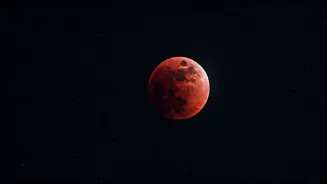
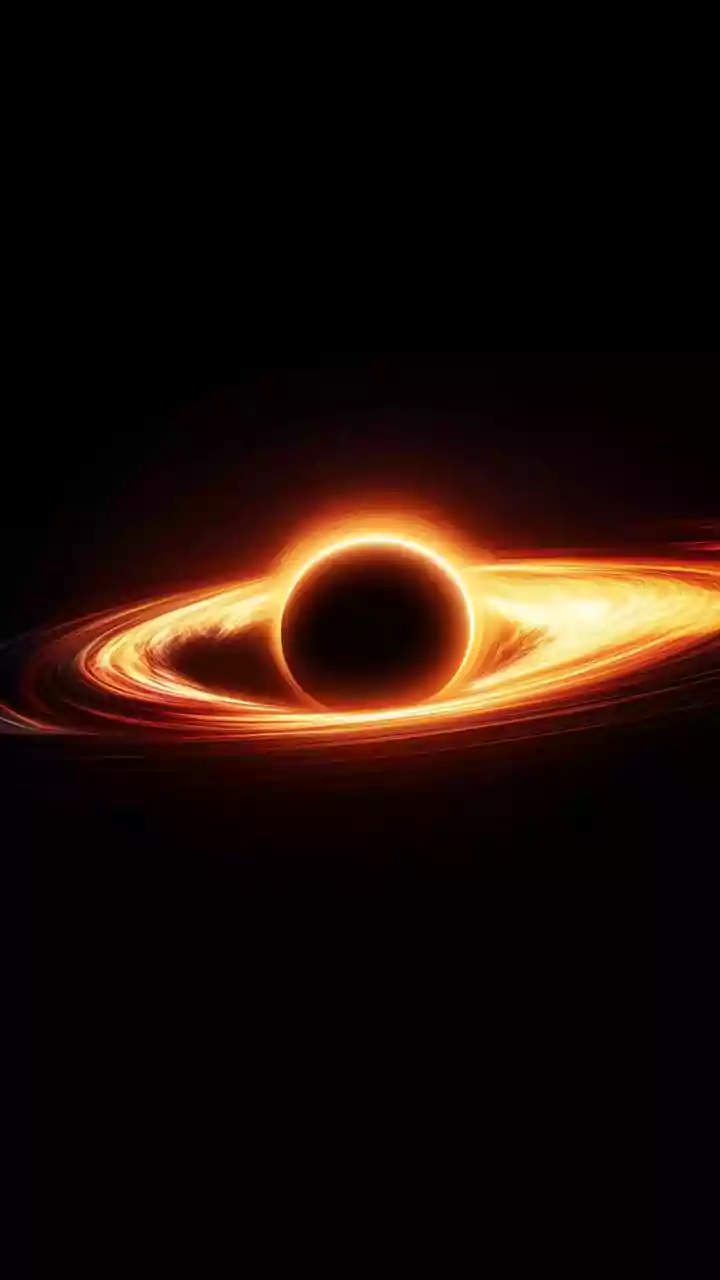
positions itself precisely between the Sun and the Moon, casting its shadow upon our celestial neighbor. As sunlight filters through Earth's atmosphere, it bends and scatters, with red wavelengths penetrating the shadow more effectively. This phenomenon bathes the Moon in a deep, mesmerizing red color, transforming it from its usual silvery glow into a fiery orb. It's a cosmic ballet orchestrated by the alignment of these three celestial bodies, creating a spectacle that has captivated humans for millennia and is entirely visible without any special equipment.
Where to Watch
The visibility of this magnificent lunar event will span across various regions, offering opportunities for many to witness it. Those situated in East Asia and Australia will be able to observe the eclipse during their evening hours. As the Earth rotates, the celestial display will transition across the Pacific Ocean throughout the night. For viewers in North and Central America, as well as western parts of South America, the eclipse will be best seen in the early morning hours of March 3. Specifically, in South Texas, the peak of the eclipse, known as totality, is scheduled to occur between 5:04 am and 6:02 am local time. For those in Mountain Time zones, totality will take place from 4:04 am to 5:02 am MST. These precise timings ensure that eager stargazers can plan their viewing sessions accordingly.
Enhancing Your View
One of the most remarkable aspects of a lunar eclipse is its accessibility; you don't need any specialized telescopes or equipment to witness this natural wonder. Your own eyes are perfectly capable of appreciating the full drama of the Moon turning red. However, for those who wish to delve deeper into the visual experience, a few simple enhancements can make a significant difference. If you have access to binoculars, they can provide a closer look at the Moon's surface details, allowing you to observe the subtle textures and variations in its color more vividly. Furthermore, venturing away from the bright lights of urban areas to a darker location can dramatically improve visibility by reducing light pollution. A darker sky will allow the faint red glow of the eclipsed Moon to stand out more prominently, enhancing the overall viewing experience and revealing finer details.