





Fueling Space Innovation
A nascent space technology enterprise, Aule Space, has successfully garnered $2 million in pre-seed investment, with pi Ventures leading the charge. This
significant financial injection, bolstered by the backing of seasoned industry figures like Eash Sundaram and Arvind Lakshmikumar, signifies strong confidence in the startup's ambitious vision. The capital infusion is earmarked for critical growth initiatives, including expanding their engineering workforce and establishing much-needed testing infrastructure. These advancements are crucial as Aule Space gears up for the highly anticipated launch of its first satellites in 2027, aiming to disrupt the current satellite servicing landscape and capture a substantial share of the multi-billion dollar geostationary orbit market.
Satellite 'Jetpack' Technology
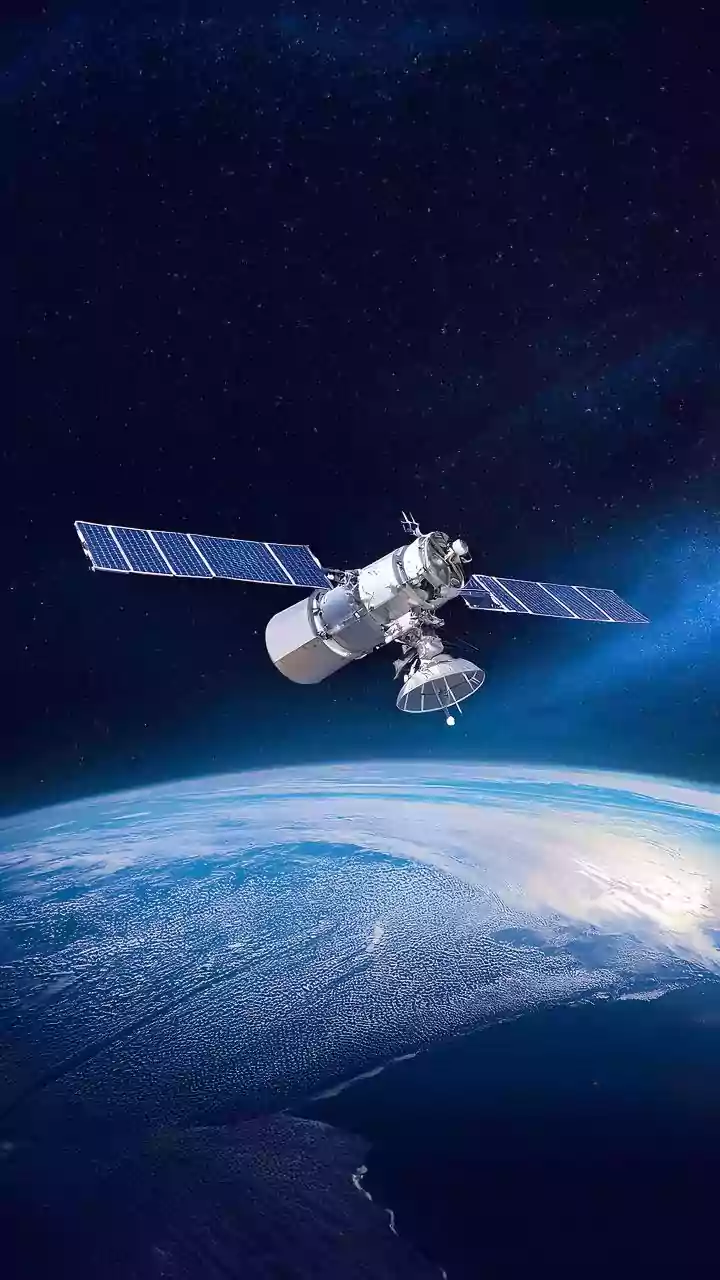
At the core of Aule Space's innovation lies a novel approach to satellite enhancement: 'jetpacks' designed to attach to existing satellites and provide crucial propulsion, attitude, and orbit control. What sets this technology apart is its ability to achieve 'non-cooperative docking,' a sophisticated method enabling attachment to the vast majority of satellites currently in orbit, regardless of their original design. These add-on propulsion units are engineered to significantly extend a satellite's operational lifespan, potentially by an additional six years. This capability directly addresses a critical need in the space sector, offering a practical solution to prolong the utility of valuable space assets and ensuring they can continue to fulfill their missions for a considerably longer duration than initially planned.
Robotics and Sustainability
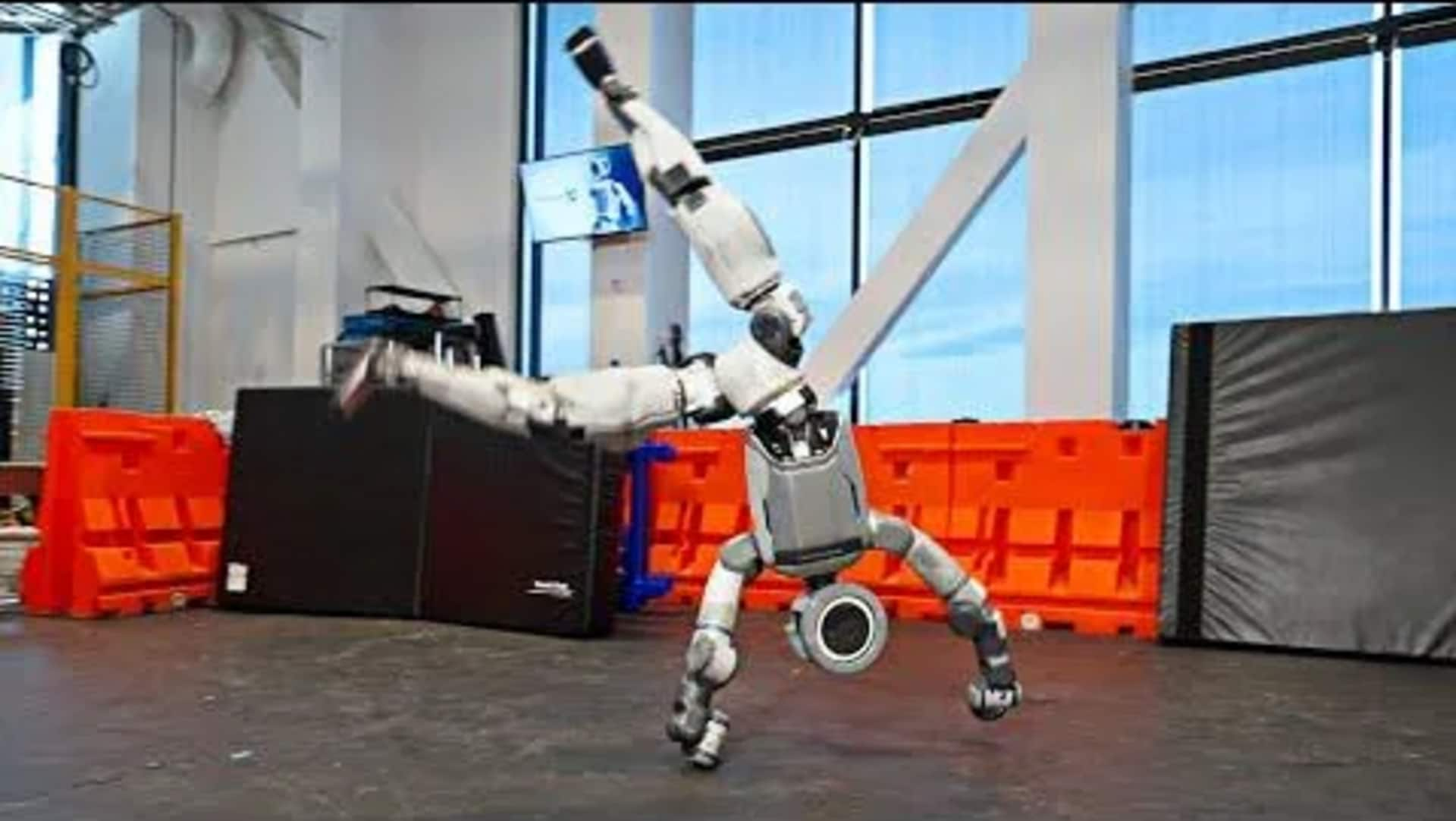
Beyond immediate satellite enhancement, Aule Space harbors a grander vision for the future of space operations: the development of a robotic workforce. This future infrastructure would include robots capable of performing vital tasks such as inspecting satellites for wear and tear or even actively cleaning up space debris, a growing concern for orbital safety. The company's upcoming demonstration missions are pivotal, as they will serve to validate the core technologies. Specifically, these missions will test the non-cooperative docking capabilities and the effectiveness of the jetpack in providing essential station-keeping and propulsion. Success in these demonstrations could pave the way for a more sustainable and efficient approach to managing and maintaining our presence in orbit.