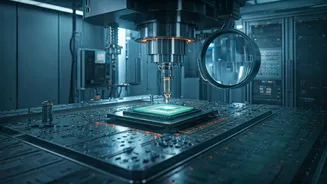








The Terafab Initiative
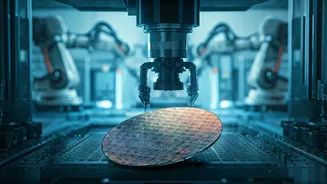
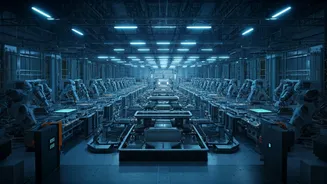
In a significant development, a cutting-edge semiconductor manufacturing project known as 'Terafab' is on the cusp of launching, with its inauguration
scheduled for next week. This ambitious venture represents a substantial step for the company in its pursuit of advanced processing capabilities. The primary objective of this facility is to produce a high volume of sophisticated processors, which are crucial for the artificial intelligence systems powering the company's electric vehicles. This strategic move was publicly announced by CEO Elon Musk, who highlighted its importance in addressing the escalating demand for specialized AI chips essential for the company's technological advancements and future innovations.
Strategic Vision for Production
The groundwork for this venture was laid by hints from leadership about the necessity of establishing in-house semiconductor production. Previous statements indicated that building a substantial chip fabrication plant would be imperative to support the company's extensive AI development roadmap. This vision was further solidified when the creation of a 'Terafab' was proposed as the potential solution to meet the immense and growing need for custom-designed chips, underscoring the company's commitment to controlling its technological destiny and ensuring sufficient supply for its innovative projects.
Competing with Giants
The 'Terafab' facility is engineered with the capacity to operate at an impressive rate of over 100,000 wafer starts per month (WSPM). This production volume positions the company directly alongside the world's preeminent semiconductor manufacturers, signaling a serious entry into the competitive chip-making arena. Currently, the company relies heavily on established chip manufacturers such as TSMC, Samsung Electronics, and Micron Technology for its semiconductor needs. However, the rapid expansion of its AI initiatives, which include operating some of the largest AI supercomputing clusters for training autonomous driving systems and robotics models, necessitates a more robust and integrated supply chain.
Path to Self-Sufficiency
Through the implementation of the 'Terafab' project, the company is embarking on a trajectory towards becoming a fully integrated device manufacturer (IDM). This transformation would empower the company with comprehensive control over its AI hardware supply chain, from design to production. Such vertical integration is vital for accelerating the development of next-generation autonomous vehicles, advanced robotics platforms, and large-scale artificial intelligence systems. This strategic pivot marks a pivotal moment in the company's ongoing journey to achieve self-sufficiency in producing the critical semiconductor components that underpin its most advanced and innovative technologies.