





Orion's Fiery Descent
The Artemis 2 mission celebrated a significant achievement as its Orion spacecraft, codenamed 'Integrity,' completed a dramatic return to Earth on April
10, 2026. This capsule endured an incredibly intense re-entry, where temperatures soared to approximately 5,000 degrees Fahrenheit. Despite this extreme thermal challenge, 'Integrity' landed with only superficial scorch marks, a welcome outcome given the unexpected damage observed on the heat shield of the Artemis 1 mission back in 2022. This successful re-entry provides valuable data and a crucial confidence boost for NASA's ambitious lunar exploration program, demonstrating the robustness of the Orion capsule's design and its ability to withstand the harsh conditions of atmospheric re-entry.
Strategic Re-entry Approach
For the Artemis 2 flight, NASA opted to retain the established heat shield design that had been utilized previously. However, a key modification involved adjusting the trajectory for the capsule's re-entry into Earth's atmosphere. This altered flight path was specifically calculated to mitigate the peak temperatures experienced by the heat shield, effectively creating a more controlled and less extreme thermal environment during the descent. The success of this modified approach underscores the importance of meticulous mission planning and the ability to adapt existing technologies to enhance safety and performance. While this strategy proved effective for Artemis 2, NASA is already planning further enhancements, including a complete redesign of the heat shield for subsequent missions to ensure even greater resilience and capability for longer and more complex lunar operations.
Future Lunar Missions
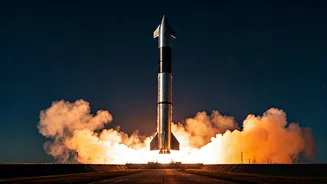
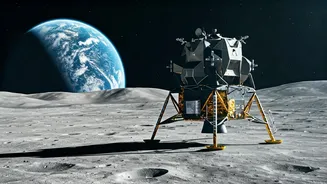
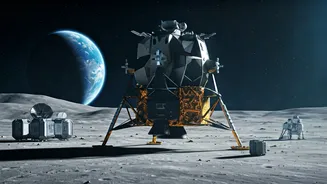
The successful return of Orion 'Integrity' marks a pivotal moment, setting the stage for the next phases of lunar exploration. Looking ahead, the Artemis program is set to evolve significantly. Artemis 3 is slated to focus on the critical task of lunar orbit rendezvous, where the Orion capsule will dock with one or potentially both of the privately developed lunar landers. These advanced landers include SpaceX's Starship and Blue Origin's Blue Moon, both designed to facilitate human landings on the Moon. Following this, Artemis 4 is being planned with the ambitious goal of executing a precise landing near the challenging terrain of the Moon's south pole, a region believed to hold significant scientific interest due to the potential presence of water ice. These upcoming missions represent a leap forward in humanity's sustained presence on the lunar surface.