



Homegrown AI Power
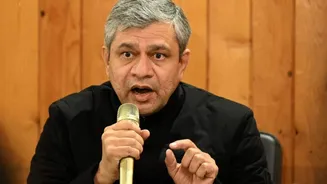
India is witnessing a remarkable surge in its artificial intelligence capabilities, with Union Minister Ashwini Vaishnaw proudly announcing that the nation's
indigenous AI models are now standing toe-to-toe with established global leaders. This impressive advancement is attributed to the dedicated innovation and rigorous development efforts poured into creating these sophisticated models. The vision extends far beyond simply crafting individual AI tools; India is actively cultivating a complete AI ecosystem. This encompasses the entire value chain, from the underlying infrastructure and foundational models to practical applications and, crucially, nurturing a robust pool of AI talent. This holistic strategy is designed to equip India to effectively compete on the world stage against the most advanced AI systems developed anywhere. The commitment to building a comprehensive AI ecosystem underscores India's strategic intent to become a significant player in the global AI landscape. By focusing on all facets of AI development—infrastructure, model creation, application deployment, and human capital—the nation is laying a strong foundation for sustained growth and innovation. This all-encompassing approach ensures that India is not just a consumer of AI technology but a significant contributor to its advancement and application, positioning it for long-term success in this rapidly evolving field.
Talent & Future Readiness
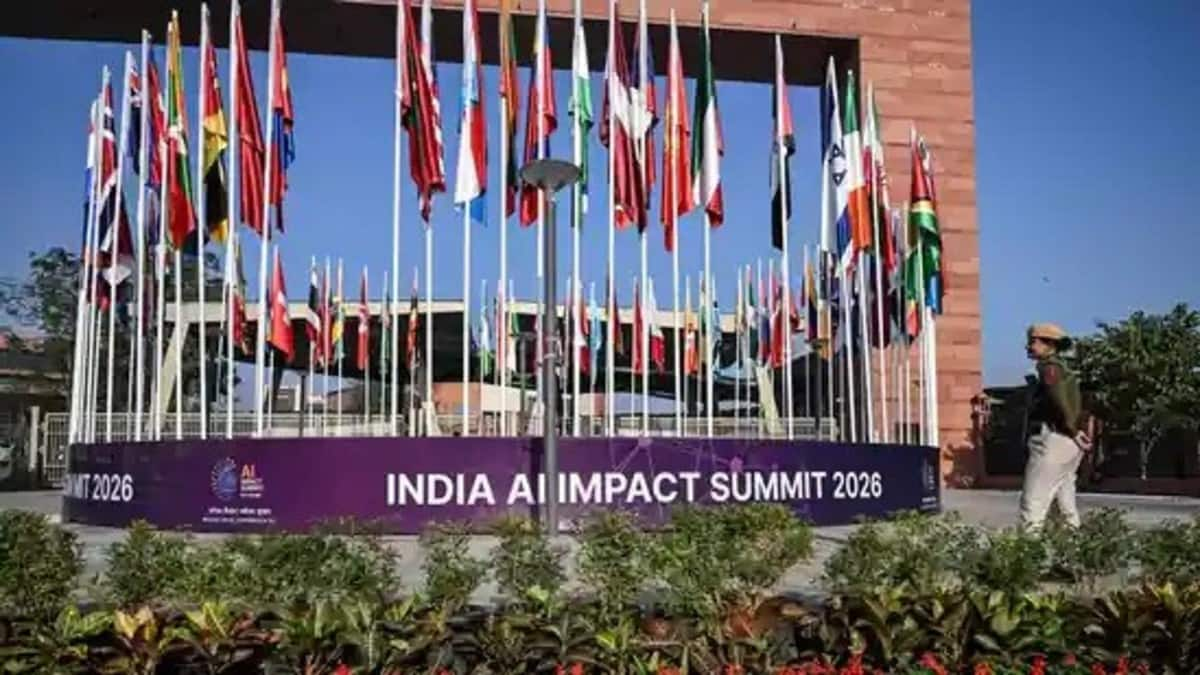
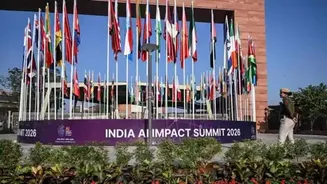
As artificial intelligence continues to reshape the professional landscape, particularly within the IT sector, the imperative for upskilling and reskilling the workforce has become paramount. Union Minister Ashwini Vaishnaw emphasizes that adapting to these changes requires a concerted, collaborative effort. To ensure India's talent pool remains future-ready and equipped to meet the demands of the evolving AI-driven economy, a strong partnership is essential. This collaboration needs to span across the government, industry stakeholders, and academic institutions. By pooling resources, expertise, and strategic direction, these entities can jointly develop curricula, training programs, and educational initiatives that foster the necessary skills. The ongoing India AI Impact Summit, held in New Delhi from February 16th to 20th, serves as a powerful testament to the significant attention and recognition India's progress in AI is garnering on a national and international level, highlighting the timeliness and importance of these efforts in preparing for the future of work. This collaborative approach to talent development is critical for harnessing the full potential of AI. It involves not only training individuals in the technical aspects of AI but also fostering critical thinking, problem-solving abilities, and adaptability. Universities can contribute by updating their courses and research programs, while industry can provide practical insights, internships, and on-the-job training. The government's role is to facilitate these collaborations, set policy frameworks, and invest in education and research initiatives. Such a synergistic approach is vital to ensure that India can capitalize on the AI revolution, creating opportunities and driving innovation across various sectors.