








Yield Optimization with AI
The journey of artisan cheese production is being significantly enhanced by artificial intelligence, particularly in optimizing yield. One crucial area
where AI is making a substantial impact is through advanced platforms that digitize and meticulously analyze the entire cheese-making process. These systems employ machine learning algorithms to provide operators with real-time, actionable recommendations. These suggestions often involve fine-tuning recipe parameters, leading to improved output and reduced waste. Traditional methods can take over a year for such insights to materialize, whereas these AI-driven solutions can deliver observable improvements in as little as 90 days. Customers utilizing these technologies have reported margin enhancements ranging from 1% to 3%, primarily attributed to better yield and a decrease in undergrade products that would otherwise be discarded or sold at a loss. This technological integration ensures that the art of cheesemaking benefits from the precision and speed of modern data analysis.
Precision Farming for Milk
At the very foundation of exceptional cheese lies the quality of the milk, and here too, AI is proving to be a game-changer. Precision farming systems, powered by artificial intelligence, are revolutionizing dairy operations. These systems utilize advanced sensors and predictive analytics to monitor herds with unprecedented accuracy. Smart collars, for instance, are placed on cows to continuously track vital signs and subtle behavioral shifts. Any deviation from normal patterns can trigger alerts, allowing farmers to address potential health issues proactively, before they become critical. This early detection not only ensures the well-being of the animals but also directly contributes to superior milk quality. Healthier cows produce better milk, which is an indispensable ingredient for crafting high-quality, artisanal cheeses that meet the most discerning standards.
Intelligent Digital Twins
Ensuring consistent quality in cheese production often relies on meticulous process control, and XMPro's Intelligent Digital Twin Suite offers a sophisticated solution. This advanced platform integrates seamlessly with existing sensor networks and control systems within a cheese-making facility. It collects and analyzes data in real-time from critical production factors, creating a dynamic digital replica, or 'digital twin,' of the entire process. This allows for continuous monitoring and immediate adjustments to maintain optimal conditions. By providing precise, data-driven insights, the suite enables constant process optimization, which directly translates to improved and more consistent cheese quality. This sophisticated approach to real-time monitoring and adjustment helps maintain high production standards, ensuring that each batch of cheese meets the desired artisanal specifications.
Automated Maintenance Robots
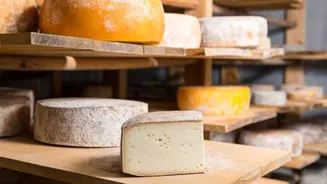
The maturation phase of cheese is a critical period where quality can fluctuate significantly, and automated maintenance robots equipped with machine vision are stepping in to oversee this delicate stage. These fully automated systems provide continuous observation throughout the entire aging process. Their primary function is to identify early signs of quality deviations, thereby minimizing waste and spoilage. By applying personalized attention to each wheel of cheese, these robots enhance overall product quality. Furthermore, they standardize quality control measures, often using visual aids like heatmap visualizations to highlight areas that require attention or indicate potential issues. This level of automated oversight ensures that each cheese wheel develops optimally and meets rigorous quality benchmarks.
Computer Vision for QC
Quality control is paramount in artisanal cheesemaking, and AI-powered computer vision systems are revolutionizing this aspect. These advanced technologies enable the automated classification of cheese quality based on detailed analysis of its texture, color, and any structural defects. By employing deep learning models, these systems can accurately identify the type of cheese with remarkable precision, often reaching up to 96% accuracy. More importantly, they can detect subtle issues like unwanted gas hole formation or the presence of surface mold contamination. The implementation of these computer vision systems guarantees that every wheel of cheese adheres to strict artisanal standards before it reaches consumers, ensuring consistency and excellence in every product.