




Revolutionary Space Reactor
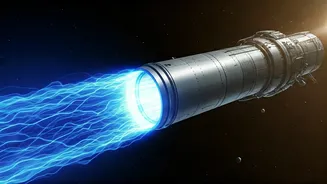
NASA is gearing up for a truly pioneering endeavor with its Skyfall mission, slated for a December 2028 launch. At its heart is Space Reactor-1 Freedom,
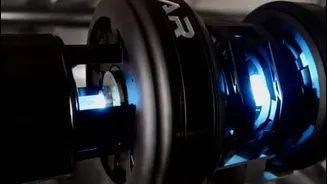
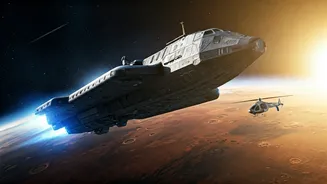
a spacecraft unlike any seen before, propelled by nuclear power. This advanced propulsion system promises to significantly accelerate journeys to the Martian surface, potentially slashing travel duration by a minimum of 25%. The implications of this speed enhancement are vast, bringing the dream of human colonization on Mars closer to reality and expediting the timeline for future astronaut arrivals.
Miniature Explorers Emerge
Upon reaching Mars, the Skyfall mission will deploy a fleet of miniature helicopters, a swarm of innovative scouts designed for intricate exploration. These agile aerial vehicles are tasked with a crucial dual objective: to meticulously search for evidence of water, particularly in underground ice deposits, and to identify optimal, safe landing zones for subsequent human expeditions. This detailed reconnaissance is vital for ensuring the safety and success of future manned missions, providing invaluable data to astronauts before they even set foot on Martian soil.
Beyond Mars' Horizon
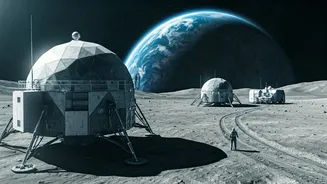
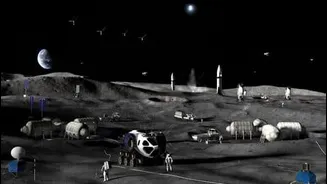
The knowledge and technologies developed for the Skyfall mission extend their potential far beyond the Red Planet. The advancements in nuclear power systems and autonomous aerial scouting could serve as foundational elements for establishing more robust and efficient power infrastructure on the Moon. Furthermore, these innovations are expected to contribute to the development of superior power solutions for a variety of future space exploration endeavors, underscoring the far-reaching impact of this ambitious Martian mission.