





Visa Processing Halts
The United States government's recent decision to freeze all visa processing for a list of 75 countries has sent ripples across the international community.
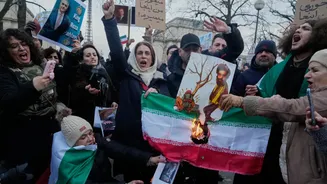
This freeze impacts all types of visas, encompassing tourist, student, business, and other categories, thereby affecting a diverse demographic. The most prominent example is Iran, where the suspension of visa services has made it difficult for Iranians seeking to visit, study, or conduct business in the US. Such a decisive move, in essence, creates obstacles for individuals wishing to enter the United States. The consequences ripple across different sectors, impacting education, tourism, and business engagements, thus causing widespread repercussions. The decision highlights the complexities of international relations and the impact of geopolitical strategies on global mobility. The ramifications can be felt by people across many nations and highlights the importance of keeping abreast of changes in global travel guidelines.
Impact on Travelers
The immediate impact of the visa processing freeze is a disruption to the travel plans of individuals from the 75 affected countries. Potential travelers face the likelihood of delayed or canceled trips, causing complications for both personal and professional reasons. For many, this could mean missed educational opportunities, delayed business projects, and the postponement of family visits. The process of getting a US visa is already complex, involving various steps such as application forms, interviews, and security checks. The suspension extends the frustration and uncertainty for these applicants. Students, researchers, and professionals planning to attend US institutions or conferences must grapple with uncertainties. The freeze presents challenges for those seeking specialized medical care or participating in cultural exchanges. Understanding the specific implications of these disruptions and how the US government may attempt to address these will be important.
Geopolitical Context
The decision to freeze visa processing in a large number of countries often stems from wider geopolitical considerations and foreign policy objectives. This could be due to security concerns, diplomatic tensions, or changes in international relations. When policies like this are put in place, the underlying drivers are usually intricate and multifaceted. For instance, the inclusion of Iran, as a major country impacted by the suspension, signals the ongoing political complexities and the diplomatic stance between the United States and Iran. These actions also reveal the influence that geopolitical circumstances have on an individual's rights and opportunities. International travel is impacted by a wide range of factors, and changes in visa regulations are but one manifestation of a bigger trend. Monitoring international policies and understanding the wider geopolitical climate is essential for understanding the reasoning behind such policies and any related changes.
Future Implications
Looking ahead, the long-term repercussions of the visa processing freeze require close attention. The suspension has the potential to influence global mobility and may also lead to shifts in travel patterns. The duration of the suspension, and any potential exemptions, will significantly impact the consequences. The economic effects are worth noting, as the travel industry may suffer from reduced tourist visits and business ventures. Further, the diplomatic ties between the United States and affected countries could be altered. The ongoing updates on the situation and an understanding of the actions being taken by the US government will provide critical insights for travelers and for understanding the broader implications of geopolitical decisions. Keeping a close watch on future actions and how they will unfold is vital to navigating these shifts.