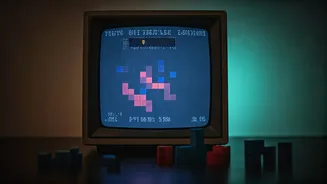








Tetris Tackles Trauma
It turns out that the familiar block-stacking game, Tetris, might offer more than just entertainment; it could be a powerful ally in managing the aftermath
of traumatic events. Recent findings indicate that healthcare professionals in UK, who had encountered severe trauma during the COVID-19 pandemic, experienced a notable decrease in distressing flashbacks. This reduction was observed after they engaged in a modified, slower-paced version of Tetris shortly after recalling their traumatic experiences. This innovative intervention is being hailed as a potential game-changer, offering a gentle yet effective method for individuals struggling with the intrusive memories that often accompany post-traumatic stress.
The ICTI Mechanism
The technique at the heart of this therapeutic breakthrough is known as imagery competing task intervention, or ICTI. The core idea is to actively engage the brain in a distracting visual-spatial task while a person is actively replaying a stressful memory. By focusing on the dynamic visualization of falling blocks and intricate grid formations in Tetris, the brain's capacity to fully process and consolidate the traumatic memory is disrupted. This cognitive load acts as a buffer, diminishing the vividness and intrusive nature of the memory, thereby significantly reducing the likelihood of experiencing flashbacks, which are often a hallmark symptom of PTSD. It's a clever way to redirect cognitive resources away from distressing recall.
Remarkable Results Observed
The efficacy of this Tetris-based intervention is quite striking. Individuals who participated in the ICTI program reported experiencing approximately ten times fewer flashbacks compared to those who received standard care or simply listened to music. This substantial difference underscores the potent impact of engaging the brain with a visual-spatial task during memory recall. Furthermore, the benefits extended beyond immediate flashback reduction. A remarkable 70% of participants reported no longer experiencing unwanted memories six months after the intervention. This long-term relief also correlated with a significant improvement in their overall PTSD symptoms, suggesting a lasting positive effect on their mental well-being.
Accessible and Adaptable
Experts are enthusiastic about the potential of ICTI to transform trauma treatment. Professor Emily Holmes described the approach as "gentle, brief, and practical," highlighting its ease of use and minimal invasiveness. Tayla McCloud further elaborated on its advantages, noting that it is "accessible, scalable and adaptable across contexts." Crucially, this method does not require individuals to articulate their trauma in words, which can be a significant barrier for many. This transcends language barriers and cultural differences, making it an incredibly inclusive and globally applicable treatment option. Its simplicity and adaptability mean it could reach a wider population in need.