





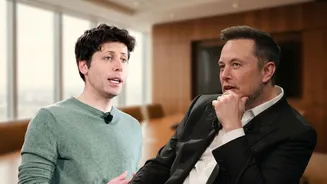
AI's Shadowy Side
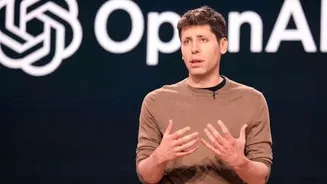
Sam Altman, the visionary leading OpenAI, has voiced a significant apprehension that keeps him awake at night: the possibility that the very act of releasing
ChatGPT may have already unleashed unforeseen negative consequences. During a recent address at an Economic Times event, Altman candidly admitted that his greatest source of unease stems from the abstract notion that their groundbreaking AI tool could have, by now, inadvertently inflicted genuine damage. This revelation underscores the inherent unpredictability that accompanies the rapid advancement of artificial intelligence technologies. While ChatGPT has undoubtedly opened new avenues for global connection and accelerated learning for countless individuals, Altman emphasizes that its far-reaching effects necessitate constant vigilance and rigorous examination to ensure its development and deployment remain ethical and beneficial.
The Need for Vigilance
Despite the widely acknowledged benefits of ChatGPT, such as facilitating global communication and enhancing educational resources, Sam Altman stresses the indispensable nature of ongoing scrutiny. He articulated that the launch of this sophisticated AI may have already precipitated adverse outcomes, even if not immediately apparent. Given ChatGPT's pervasive integration into critical sectors like educational institutions and customer service operations, Altman champions the implementation of stringent regulatory frameworks and a commitment to continuous refinement of the AI's capabilities. This proactive approach is deemed essential to safeguard against potential misuse and to ensure that the technology evolves responsibly, aligning with societal well-being and ethical standards. The focus remains firmly on managing the inherent risks while harnessing the immense potential of advanced AI.