




A Celestial Overload
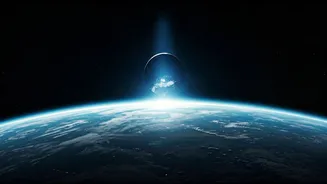
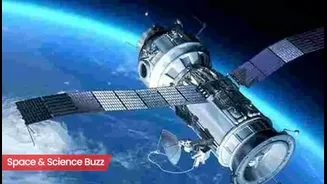
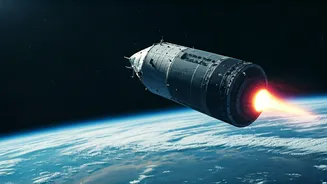
SpaceX is envisioning an unprecedented expansion of its satellite presence, with plans to deploy as many as one million new, solar-powered spacecraft.
These are not just an upgrade to the nearly 10,000 Starlink satellites already circling our planet; they are designed for a different purpose, potentially serving as orbital AI data centers. This grand vision, detailed in an application submitted to the Federal Communications Commission (FCC) in January 2026, has sent ripples of apprehension through the astronomical community. The sheer scale of this undertaking, vastly exceeding current orbital populations, is the primary source of concern, particularly regarding its implications for observing the universe.
Brighter Nights, Dimmer Stars
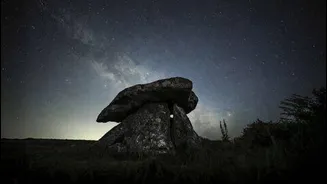
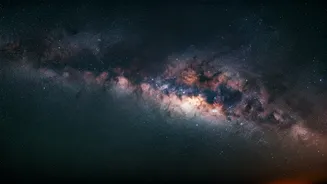
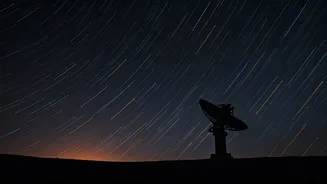
A significant concern with this proposed mega-constellation is the potential for overwhelming the night sky with artificial light. Unlike current satellite designs, these proposed satellites are slated to operate at higher altitudes and will remain illuminated by the sun even during the planet's midnight hours. This means that a substantial number of these satellites, potentially tens of thousands, could be visible to observers on Earth every single night. The cumulative brightness from such a vast fleet could severely impede the ability of astronomers, and indeed anyone gazing upwards, to detect fainter celestial objects, thereby diminishing the quality of astronomical observations and the natural beauty of the starry expanse.
Collision Course and Streaky Skies
Beyond the issue of light pollution, scientists are flagging other critical risks associated with such a dense satellite network. The increased number of objects in orbit raises the probability of accidental collisions. This phenomenon, often referred to as Kessler Syndrome, suggests that a cascade of collisions could generate vast amounts of space debris, rendering orbital pathways increasingly hazardous. Furthermore, these satellites could create problematic bright streaks across images captured by telescopes, particularly impacting sensitive observatories like the Vera C. Rubin Observatory, which rely on capturing the faintest light from distant cosmic sources. These streaks can obscure or distort valuable scientific data, hindering crucial research.
FCC's Deliberation
The path forward for SpaceX's colossal satellite network remains uncertain as the FCC is currently reviewing the proposal. Having placed the application on an expedited review track, the regulatory body has yet to grant final approval. The FCC is in the process of gathering diverse perspectives and thoroughly evaluating the potential ramifications for astronomical research and the overall safety of Earth's orbital environment. A decision will hinge on carefully balancing the technological and economic ambitions of SpaceX against the profound risks to space exploration and our connection to the cosmos.