







Pollution's Early Grip
New research emerging from King's College London has uncovered a significant correlation between inhaling airborne pollutants during the initial stages
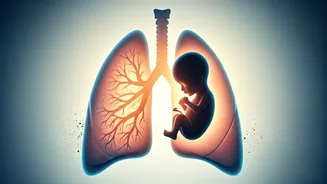
of pregnancy and a subsequent slowdown in a baby's ability to develop speech. The study meticulously followed 498 infants born at St. Thomas's Hospital in London. A primary focus of this investigation was to understand the specific impact of pollutants, such as nitrogen dioxide and fine particulate matter, on infants, with a particular emphasis on those born prematurely. This research suggests that the foundational period of fetal development is particularly susceptible to the detrimental effects of poor air quality, setting a trajectory that can influence cognitive milestones.
First Trimester Impact
The findings indicate a discernible pattern: infants exposed to higher levels of air pollution during their gestation period, especially within the crucial first trimester, exhibited lower scores on language assessments by the time they reached 18 months of age. This period is critical for neural development, and environmental stressors like pollution may interfere with the intricate processes of language acquisition. Furthermore, the study sheds light on a critical social justice issue, pointing out that communities historically marginalized and those of lower socioeconomic status, often residing in close proximity to significant sources of pollution, are disproportionately affected by these health risks. Agnes Agyepong of Global Child and Maternal Health rightly emphasizes that these results underscore deeper societal inequalities and underscore the urgent necessity for policy interventions aimed at safeguarding the health and development of all families.