

Artemis II Sparks Interest
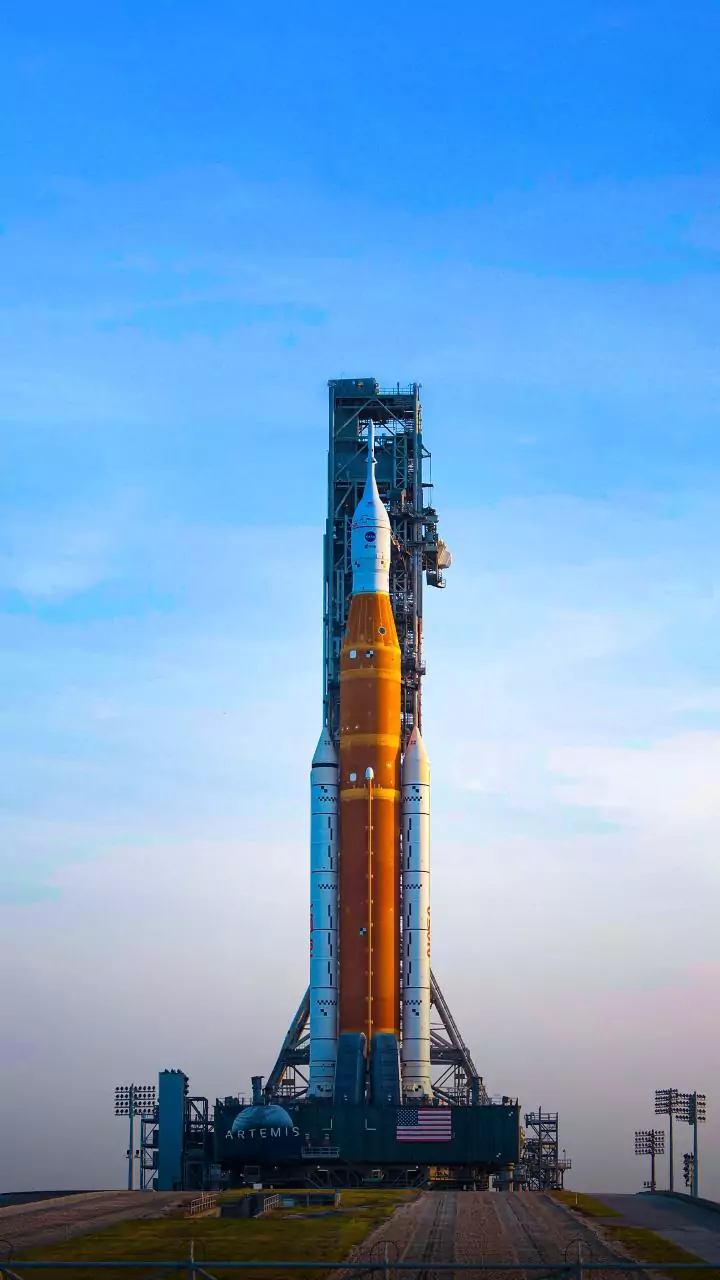
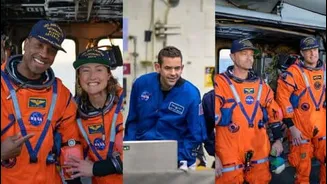
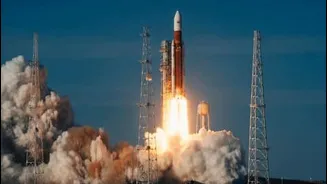
The recent launch of NASA's Artemis II mission, a groundbreaking endeavor to send astronauts on a journey around the moon for the first time in many years,
has unexpectedly breathed new life into the popular space simulation game, Kerbal Space Program. This surge in attention demonstrates a fascinating interplay between significant real-world space achievements and the public's engagement with interactive, educational entertainment. As humanity sets its sights on returning to the lunar surface and venturing further into the cosmos, games that offer a taste of these celestial challenges and triumphs often see a correlative uptick in their player base, proving that the allure of space exploration is a powerful motivator for both scientific advancement and digital escapism. The Artemis II mission, in particular, has served as a potent catalyst, drawing renewed focus to the intricate and rewarding experience Kerbal Space Program provides.
Player Numbers Soar
Following the successful launch of the Artemis II mission, Kerbal Space Program experienced an extraordinary surge in its player community, reaching an impressive peak of 12,434 concurrent players. This figure represents the highest engagement the game has seen since 2015, a significant leap from its typical range of 3,000 to 4,000 active players. The impact wasn't limited to the original title; its sequel also witnessed a noticeable increase in player activity. This dramatic rise in concurrent users underscores the potent effect that real-life space exploration milestones can have on popular culture and gaming. It highlights how tangible progress in space science and engineering can inspire a broader audience, encouraging them to engage with virtual environments that mirror these ambitious endeavors and foster a sense of personal participation in the broader narrative of space discovery.