





Cosmic Debris Trail
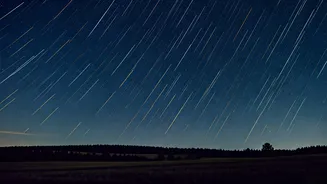
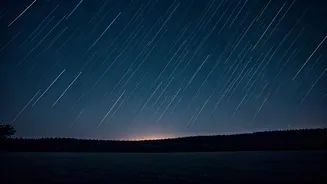
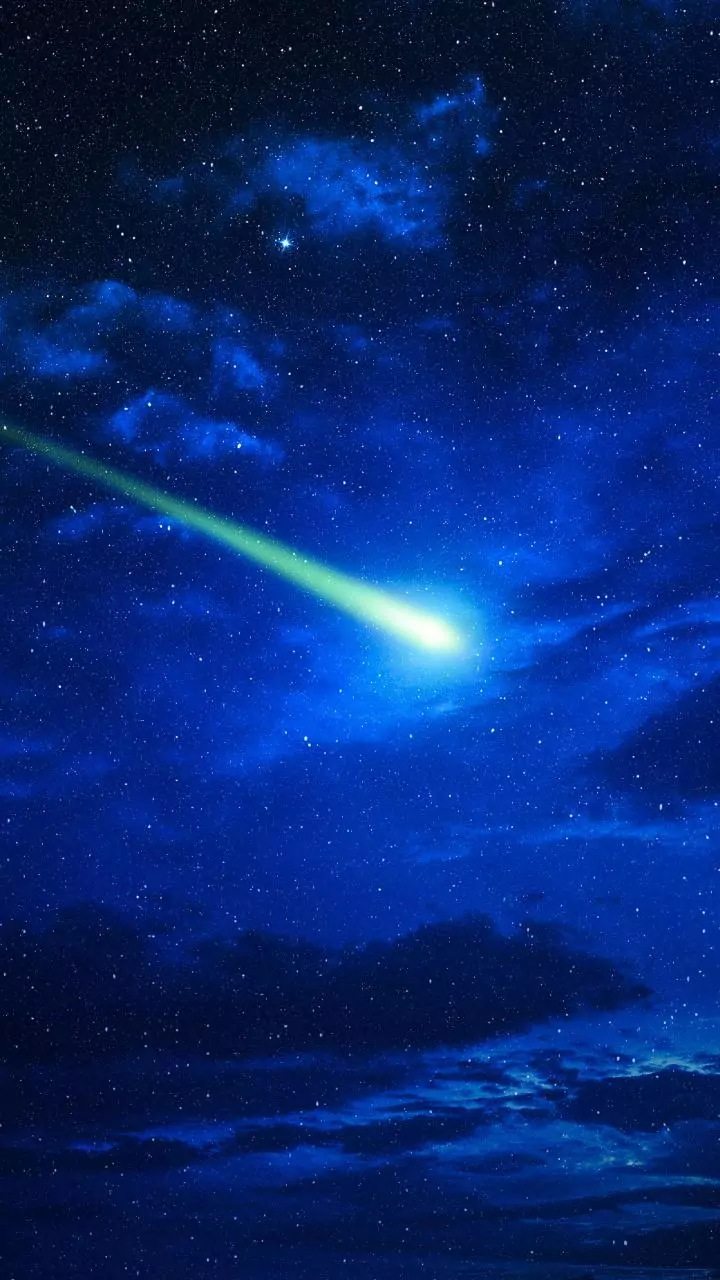
The Lyrid meteor shower, a phenomenon steeped in history as one of the oldest observed meteor events, graces our skies annually as Earth navigates through
the dusty remnants of Comet Thatcher. This year's spectacle is particularly accessible for observers across India, with its brilliance expected to peak on the nights of April 21st and 22nd. The meteors, appearing to emanate from the constellation Lyra, will be visible in the northeastern expanse of the night sky, offering a chance for many to witness this recurring cosmic dance. This natural event provides a captivating reminder of the dynamic celestial mechanics at play above us, drawing a direct connection between ancient astronomical records and modern-day viewing opportunities. The anticipation builds as this predictable shower offers a readily available gateway into the wonders of space for enthusiasts and casual observers alike.
India's Viewing Hotspots
While the Lyrid meteor shower will be a treat for the entire nation, the clarity of the night sky will vary significantly across different regions. Northern and central parts of India are poised for the most advantageous viewing conditions, making cities such as Delhi, Mumbai, and Bengaluru particularly promising locations. The prime window for observation in India is from midnight to 5:00 AM Indian Standard Time, with the pre-dawn hours, specifically between 3:00 AM and 5:00 AM IST, expected to offer the peak intensity of the meteor shower. This temporal focus on the early morning allows observers to maximize their chances of witnessing the celestial display before the onset of daylight. Understanding these regional nuances and timing is crucial for planning a successful stargazing experience.
City-Specific Forecasts
For residents of Delhi, the optimal viewing period is anticipated between 2:30 AM and 5:00 AM IST, though light pollution from the urban environment may somewhat diminish the visibility. Mumbai's stargazers will share a similar prime window from 2:30 AM to 5:00 AM IST, but the coastal humidity and pervasive city lights could present challenges. Bengaluru offers a slightly earlier opportunity, with the best viewing between 2:00 AM and 5:00 AM IST, and elevated locales like Nandi Hills are expected to provide relatively clearer skies. In Chennai, the viewing hours are also between 2:30 AM and 5:00 AM IST, but coastal haze might affect the clarity of the spectacle. Kolkata shares the same viewing window as Delhi, with humidity and street lighting potentially hindering the view. Hyderabad presents a more encouraging scenario, with relatively clear skies from 2:00 AM to 5:00 AM IST, suggesting a good chance of spotting meteors. Similarly, Pune is expected to offer good potential for sightings, especially in its less populated outskirts away from the glare of artificial illumination.